Whirlpool and Everydrop Filter Compatibility Guide
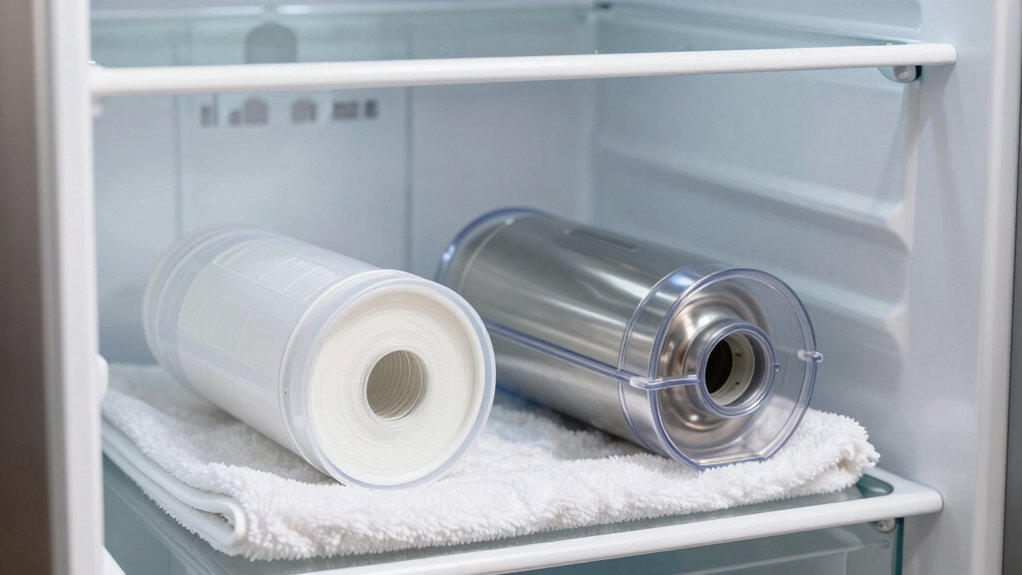
You’ll match EveryDrop cartridges to Whirlpool codes (e.g., Filter 1 = EDR1RXD1, Filter 3 = EDR3RXD1, Filter 4 = EDR4RXD1, Filter 7 = EDR7D1) using the cabinet label or Filter Finder. Verify cartridge diameter/length, O‑rings, notches and any bypass cap requirement. Confirm inlet/outlet alignment so seals and flow stay within spec.
Expect 2–6 psi differential new. Act if it exceeds ~10 psi, and continue for installation, sizing and pressure troubleshooting tips.
Quick Overview
- Match the refrigerator model label or Filter Finder to the Everydrop EDR code (e.g., Filter 1 = EDR1RXD1, Filter 3 = EDR3RXD1).
- Verify cartridge diameter, length, and port spacing to ensure proper fit and seal in the filter cavity.
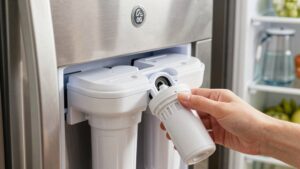
- Check installation features: flow arrow orientation, O‑ring placement, notches, and any required bypass cap for specific Whirlpool models.
- Expect 2–6 psi differential at rated flow for a new cartridge. Monitor with a manometer and log readings.
- If differential rises above 10–12 psi or flow drops, inspect and replace the cartridge. Review supply pressure and seal integrity.
Filter Model Compatibility Matrix
Wondering which Everydrop filter fits your Whirlpool unit? You’ll match your refrigerator’s model labeling to the correct Everydrop type to ensure seal, flow considerations, and certification alignment. Use the Filter Finder or the physical label inside the cabinet.
| Everydrop Filter | EDR Code | Typical Location |
|---|---|---|
| Filter 1 | EDR1RXD1 | Upper right / base grille |
| Filter 3 | EDR3RXD1 | Base grille / lower left |
| Filter 4 | EDR4RXD1 | Upper right / base grille |
| Filter 7 | EDR7D1 | Select Whirlpool models |
Check arrows, O-rings, and notches during installation. Filters 1–5 cover most Whirlpool/Maytag/KitchenAid/Jenn‑Air/Amana units; some models need bypass caps.
Replace per schedule to preserve flow and contaminant reduction.
Flow Rate & Size Cheatsheet
Now that you’ve matched your refrigerator model to the correct Everydrop filter, check flow rate and physical size to guarantee fit and performance. Use this size cheatsheet to confirm cartridge diameter, length and inlet/outlet alignment so you don’t restrict flow rate or block installation. Measure mounting cavity and compare to filter spec sheet before purchase.
- Check diameter and length; confirm cartridge dimensions match cavity clearance and bypass cap needs.
- Verify inlet/outlet port spacing; misaligned ports reduce flow rate and can cause leaks or poor ice production.
- Confirm mounting orientation and O-ring placement; this ensures seal integrity and full rated flow rate without deformation.
Follow specs precisely. Incorrect size causes reduced performance and shorter service life.
Pressure Differential Tolerances
Check the refrigerator’s spec sheet to confirm the normal operating pressure range and the maximum allowable pressure drop across Everydrop filters. You’ll monitor pressure changes because differential directly reduces flow and can indicate a clogged or misinstalled cartridge.
If you see deviations, compensate by replacing the filter, inspecting seals and fittings, or temporarily increasing inlet pressure per manufacturer limits.
Normal Operating Range
How much pressure drop should you expect across an Everydrop filter in normal use? You’ll typically see a normal operating pressure differential of about 2–6 psi at rated flow rate for a new cartridge. As the cartridge loads with particulates and adsorbed contaminants, that differential will gradually increase. Expect modest rises over months; not abrupt jumps.
Monitor pressure-related flow changes: slower dispenser output or extended ice cycles indicate rising differential. Maintain supply pressure within the refrigerator’s specified range to prevent excessive drop. If you notice a steady increase beyond roughly 8–10 psi or a sudden reduction in flow, replace the filter or inspect for kinks, clogged lines, or incorrect bypass caps.
Record pressures when servicing for trend analysis.
Maximum Allowable Drop
What pressure drop should you accept before taking action? You should treat a sustained pressure differential over 10–12 psi across the cartridge as the maximum drop before service or replacement. Measure drop with a manometer at inlet and outlet under typical dispense conditions; note transient spikes during ice production.
If you see 6–9 psi, monitor monthly. If it edges above 10 psi, plan replacement or inspect for scale, kinks, or trapped air. Use the flow cheatsheet to correlate psi loss with expected GPM reduction for your model: this helps prioritize units in multi-fridge sites. Log readings after filter changes and after four gallons flush to establish baseline. Staying within the specified maximum drop preserves flow and filter life.
Differential Impact On Flow
Having established the maximum allowable drop, you should next assess how pressure differential affects flow rate and appliance performance. You’ll measure inlet vs. outlet pressure to determine the differential tolerance a filter imposes. Excessive differential reduces flow dynamics, slows dispense rates, and can strain pump components.
Design specs for Everydrop models set acceptable pressure differentials; stay within them to avoid triggering a filtration bypass or compromising contaminant reduction. If you observe sustained high differential, replace or select a lower-resistance cartridge and check for downstream restrictions. Also, confirm proper seating and O-ring condition to prevent partial bypass paths.
Document measured differentials during test fills and compare against Whirlpool limits to ensure consistent water and ice production without inducing bypass.
Monitoring Pressure Changes
Why measure pressure differentials regularly? You’ll detect early signs of clogging or seal failure by monitoring pressure across the filter housing. Acceptable pressure differential tolerances vary by model; however, a rising differential correlates directly with reduced flow rate and signals time for inspection or replacement.
Use a pressure gauge upstream and downstream to log static values at typical operating flow. Record baseline pressure after a fresh Everydrop install; then compare weekly or monthly readings. Small, steady increases (within manufacturer tolerance) are normal. Abrupt jumps indicate contamination, incorrect filter type, or installation faults.
Keep measurements with model numbers to track trends. This focused monitoring pressure routine preserves performance without needing immediate compensating actions.
Compensating For Variations
How should you adjust system expectations when pressure differentials deviate from nominal tolerances? You’ll quantify inlet and outlet pressures, record differential across the Everydrop cartridge, and compare against manufacturer tolerance bands. If delta exceeds spec, decrease expected flow rate and log reduced ice production and dispensing times.
Replace or service filters showing sustained high differentials; fouling typically causes increases. If differentials fall below lower limits, verify seating, bypass cap presence, and upstream supply pressure. Low delta can indicate leaks or an unrelated scope issue like a softened-water system change.
Maintain a simple matrix: measured delta, corrective action, expected performance impact. That lets you prioritize replacements, isolate causes, and preserve topic diversity in troubleshooting without conflating separate failure modes.
Frequently Asked Questions
How Do I Find My Refrigerator Model Number Quickly?
Check the interior ceiling, inside walls, behind door frames or kickplates to find the model number quickly.
How to locate model: Open the fridge and scan the listed spots. Look on the back exterior or the door edge if needed.
Quick model number tips: Use a flashlight, wipe for legibility, note the full code, photograph it for reference, and consult the owner’s manual or the Filter Finder tool if you need filter matches.
Can I Use Everydrop Filters in Non-Whirlpool Brands Safely?
Yes, you can often use everydrop filters in non whirlpool brands safely if the filter matches your refrigerator’s model number and inlet fittings. Verify everydrop compatibility by checking cartridge type (EDR1/2/3/4/5), sealing O-rings, and flow orientation.
Confirm NSF certifications and run four gallons to flush after install. If unsure, use the Filter Finder or consult manufacturer specs to avoid leaks or reduced performance.
Are Replacement Filters Sold With Warranty or Authenticity Seals?
Yes, genuine replacements usually include replacement warranties and authenticity seals. You’ll get warranty coverage when buying through authorized channels. The packaging often shows an authenticity seal, part number, and manufacturer markings.
Verify seals, model numbers, and purchase receipts to confirm coverage. Keep proof of purchase for warranty claims. Use the Filter Finder or authorized dealer to avoid counterfeit units that lack authenticity seals or replacement warranties.
How Should I Dispose of or Recycle Used Filters?
You should treat used filters as household hazardous-like waste and follow manufacturer guidance: check local disposing filters regulations and Everydrop recycling programs.
Remove the filter, drain remaining water, seal in a plastic bag, then drop it at an authorized collection site or mail-back program if available. If no program exists, contact municipal recycling for cartridge disposal instructions.
Don’t put cartridges in curbside recycling unless explicitly accepted by your local recycler.
Will a New Filter Affect Water Taste Immediately?
Yes, a new filter can cause immediate effects on taste. You’ll notice new taste changes because fresh filter media and trapped manufacturing residues alter flavor at first. Run about four gallons of water through the system after installation to flush those residues and stabilize taste.
After flushing, the filter should improve taste by removing contaminants. Any abrupt or persistent off-flavors suggests installation issues or a defective cartridge.
Conclusion
You now know which Whirlpool and EveryDrop filters match your model, how flow rate and size affect performance, and what pressure differentials the system tolerates. Stay within the normal operating range and avoid exceeding the maximum allowable drop to prevent flow loss or sensor errors.
Monitor pressure trends routinely and compensate: use larger-bore tubing, shorter runs, or a booster if needed. Apply these checks during installation and maintenance to keep filtration reliable and appliances performing optimally.