When to Use Lab Testing for Drinking Water
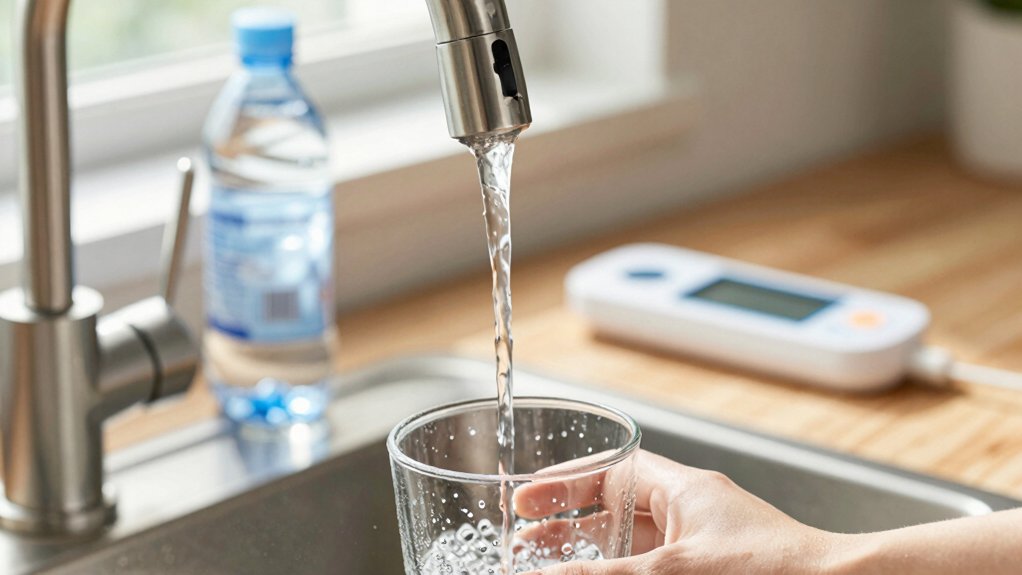
You should use certified laboratory testing whenever you start a new well, see changes in taste, odor, color, or cloudiness, or serve infants, elderly, pregnant people, or immunocompromised clients. You should also test after flooding, plumbing work, or contamination events.
Use labs with state and EPA-recognized accreditation and follow proper sample-collection, preservation, chain-of-custody, and hold-time procedures. Test to applicable MCLs, action levels, and EPA methods for regulatory compliance.
Continue for practical steps on sampling, lab selection, and standards.
Quick Overview
- After well construction, repair, or activation, confirm baseline microbiological and chemical safety before use.
- When routine private well testing intervals are due or after unusual taste, odor, color, or illness in users, testing should be conducted.
- Following contamination events such as flooding, nearby chemical spills, or septic failure, evaluate specific contaminants.
- When changing water treatment, installing a new filter or softener, or if treatment performance is uncertain, it is important to test the water.
- For regulatory compliance, real estate transactions, or when an accredited lab certification is required for legal defensibility, testing is necessary.
Contaminant Limits Comparison Table
When you compare contaminant limits across agencies, focus on the numeric standards, the units, and regulatory context: differences often reflect distinct risk thresholds, monitoring approaches, or enforceability. You will use a contaminant table to spot where EPA, WHO, and national standards diverge. For example, arsenic and lead values vary; some places use treatment techniques or action levels rather than strict MCLs.
Standard comparisons help you prioritize testing and compliance. Stricter benchmarks mean more frequent monitoring or certified-lab methods. Use regulatory context (MCL, PHG, SMCL, guideline) to interpret results and decide corrective actions. Below is a concise comparator to guide decisions; expand it with site-specific values when planning sampling.
| Parameter | Agency note |
|---|---|
| Arsenic | EPA 0.010 mg/L standard |
| Lead | EPA action level 0.015 mg/L |
| Nitrate | EPA 10 mg/L (as N) |
| Coliforms | EPA treatment technique |
Sample Collection Checklist
Why collect samples carefully? You need legally defensible results: proper sample collection prevents contamination, preserves analytes, and meets regulatory chains of custody. Use state-approved containers, follow preservation steps, and document time, location, sampler, and purpose to align with lab accreditation expectations.
- Verify the lab accepts the matrix and method before sample collection.
- Use prescribed container type and preservative per EPA or state method.
- Rinse and purge taps as required; collect at specified flow and time.
- Chill samples to required temperature and ship within hold times with chain-of-custody.
- Label samples clearly and complete forms so the accredited lab can process compliance analyses.
Follow procedures strictly. Nonconforming samples may be rejected and invalidate compliance testing.
Approved Lab Certifications Required
You should choose a laboratory that’s accredited by your State Laboratory of Public Health and recognized under EPA programs for the specific tests you need. Confirm the lab follows federal and state drinking water standards, maintains strict chain-of-custody procedures, and participates in third-party proficiency testing.
These credentials protect your results’ legal standing and ensure reliable, compliant analyses.
State Lab Accreditation
How do you know a lab’s results are legally acceptable? You check for state accreditation: the lab must be certified by your State Laboratory of Public Health or equivalent authority to perform drinking-water analyses. State accreditation confirms the lab meets personnel, equipment, method, and facility standards that underpin lab quality.
You should verify the certification covers specific contaminant categories you need (bacteria, inorganic, VOCs, radiological). Accredited labs follow required quality-control procedures, validated methods, and sample-handling rules so results are defensible for compliance. If a lab lacks the proper state accreditation for a test, resubmission to a certified lab will be required.
Always consult your state’s certified-lab list before collecting samples to avoid noncompliant results.
EPA Recognition Requirements
State accreditation tells you whether a lab can produce legally acceptable drinking-water results. EPA recognition requirements then define which specific federal approvals and certifications those accredited labs must hold to analyze regulated contaminants for compliance. You must use labs that meet EPA conditional approvals for specific categories (e.g., VOCs, radiologicals) and hold the certifications your state requires for compliance monitoring.
Expect inspector oversight during audits, proficiency testing, and performance-sample reviews to confirm method fidelity and chain-of-custody practices. Vendor qualification should document personnel credentials, equipment, methods, and corrective-action records before contract award. Maintain documented approval lists and verify certifications remain current. If a lab loses EPA recognition or fails proficiency testing, stop using it for compliance samples until deficiencies are resolved.
Drinking Water Standards
Drinking water standards set the contaminant limits and testing requirements that labs must meet to produce legally acceptable results. You’ll need to use only state‑certified and, where required, EPA‑recognized laboratories for compliance monitoring. You must confirm the lab’s certification covers each contaminant category you’re testing: microbiological, inorganic, organic, radiological. Ensure methods match regulatory references (eg, 40 C.F.R. citations).
Plan sampling logistics so samples meet container, preservative, hold‑time, and chain‑of‑custody requirements. Nonconforming samples can be rejected. Require documented quality control, calibration, and personnel qualifications from the lab. Finally, insist on clear reporting that supports regulatory submission and defensible data interpretation. This way, you can act promptly on exceedances and meet audit or public‑notification obligations.
Chain-Of-Custody Procedures
Having clear chain-of-custody (COC) procedures ensures the sample integrity and legal defensibility you relied on when confirming lab certifications and reporting requirements. You’ll document who collected, handled, transported, and received each water sample, with timestamps and signatures that match state-certified lab expectations.
Use rigid sample labeling: unique ID, collection date/time, preservative used, and collector contact. Seal samples and include COC forms with sample sets to prevent tampering and to satisfy audit trails. Follow your jurisdiction’s required forms and retention periods so results are admissible and compliant with SDWA-based rules.
If a label or chain of custody is incomplete, the certified laboratory may reject the sample; this forces recollection and delays regulatory reporting.
Third-Party Proficiency
Why trust a lab’s results? You should demand third-party proficiency and approved lab certifications to ensure lab reliability and sample integrity. Certified labs follow state and EPA rules, document personnel qualifications, and use approved methods and preservatives specified in 40 C.F.R.
You’ll only rely on results from state-certified or EPA-conditionally approved facilities for volatile organics and radiological tests. Proficiency testing programs verify analytical accuracy through blind performance samples and interlaboratory comparisons; review those scores before contracting.
Require written certification, quality-control data (daily curves, duplicates, spikes), and rejection policies for improper samples. Keeping these requirements in procurement protects regulatory compliance, public health, and your legal record when lab data drive corrective actions.
Frequently Asked Questions
How Long Do Lab Results Take to Be Returned?
You’ll typically get routine drinking-water lab results in 3–10 business days. However, specialized or radiological tests can take weeks.
Turnaround can be lengthy; it may take longer when labs backlog or need confirmatory analyses. You’ll want to factor cost considerations for expedited services.
You should use a state-certified lab and follow sample preservation rules. Expect the lab to notify you if they reject samples that don’t meet regulatory collection criteria.
Can I Test Water After Home Filtration Systems?
Yes, you should test water after water filtration to verify performance against lab testing thresholds and regulatory limits. Send post-filter samples to a state-certified lab that follows required sample collection and preservation.
Test for contaminants your filter targets (e.g., lead, nitrate, VOCs, bacteria) and any upstream concerns. Compare results to EPA or state standards. Retest periodically or after filter changes, repairs, or contamination events.
Do Labs Offer Pickup or Mailing Kits?
Yes, many labs offer pickup or mailing kits. You’ll check lab testing logistics and sample submission methods with a state-certified lab; they’ll tell you whether they pick up samples, ship mail-in kits with preservatives and containers, or require hand-delivery.
You’ll follow regulatory-aware instructions for chain-of-custody, container type, and preservation. If samples don’t meet criteria, labs must reject them and notify you. Therefore, confirm procedures before collecting.
Will Testing Detect Seasonal Contaminant Changes?
Yes, labs can detect seasonal variability if you test repeatedly and target suspected analytes. You’ll schedule sampling across seasons to capture contaminant dynamics like runoff-driven nitrates, seasonal microbes, or temperature-linked organics.
Use state-certified labs and approved methods. Follow sample collection/preservation rules, and compare results to regulatory limits and prior data. Increasing sampling frequency during high-risk periods gives you actionable trends for compliance and health protection.
Can Test Results Affect Property Sales or Insurance?
Yes, test results can impact property sales and insurance. You’ll need lab-certified reports to satisfy buyers, lenders, or insurers. Results showing exceedances may trigger disclosure, remediation, or higher premiums.
Don’t rely on pollution myths or DIY checks; recognize filtration limitations and regulatory standards. Use state-certified labs, accurate preservation, and thorough QC to avoid rejected samples. Ensure results stand up in transactions and underwriting.
Conclusion
You should get lab testing when your water source, treatment change, or local advisory suggests contamination, or if you need compliance documentation. Follow the sample collection checklist, chain-of-custody, and use labs with required state accreditation, EPA recognition, and third-party proficiency.
Compare contaminant results to drinking-water standards and documented limits. Keep records for regulators and legal defensibility. Prioritize certified testing whenever public health, permit compliance, or consumer confidence is at stake.