Signs Your Home Has Well Water Quality Problems
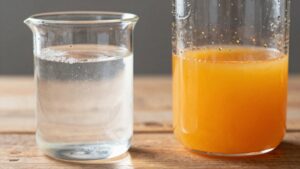
If your water tastes metallic or salty, smells like sewage or rotten eggs, looks cloudy or discolored, or leaves stains on fixtures, you likely have a quality problem and should test promptly.
Positive coliform or E. coli results or nitrate levels above 10 mg/L are red flags; nitrates over 40 mg/L make water unsafe to drink. Boiling won’t remove nitrates.
Test yearly, after repairs or flooding, and follow lab and health-agency guidance to fix issues. Learn practical next steps below.
Quick Overview
- Cloudy, discolored, or rusty water, and persistent strange taste or odor indicate possible contamination or corrosion.
- Repeated staining of sinks, fixtures, or laundry suggests high iron, manganese, or other contaminants.
- Family illness, especially gastrointestinal symptoms, after drinking well water signals possible bacterial contamination.
- Positive total coliform or E. coli test, or failing annual or after-repair tests, shows microbial contamination needing action.
- Sudden changes after heavy rain, flooding, pump work, or nearby construction suggest surface-water intrusion or well integrity issues.
Nitrate Levels vs. Limits
How high is the nitrate in your well water, and what does that mean for safety? You should compare measured nitrate thresholds to health guidance: readings ≤10 mg/L are broadly safe. Readings of 11–40 mg/L pose risks for infants and pregnant people. Readings >40 mg/L are unsafe for drinking. Test yearly and act on results.
| Concentration (mg/L) | Practical implication |
|---|---|
| ≤10 | Safe for all uses; monitor annually |
| 11–40 | Avoid for infants, pregnant people; use bottled water |
| >40 | Not safe to drink; limit to nonconsumptive uses |
Follow evidence-based treatment advice from local specialists. Boiling won’t reduce nitrates. Prioritize water safety for vulnerable household members.
EPA Maximum Contaminant Levels
When was the last time you checked how federal drinking water standards relate to your well? EPA Maximum Contaminant Levels (MCLs) set enforceable limits for public systems; however, you should use them as benchmarks for private wells. Compare your lab results against MCLs for arsenic, lead, nitrate, and VOCs. Exceedances signal health risk and remediation needs.
- Review EPA MCLs to prioritize contaminants needing treatment.
- Document exceedances, dates, and potential local sources.
- Choose interventions based on evidence: filtration, shock chlorination, or well repair.
- Communicate findings transparently: apply environmental ethics when sharing data; avoid misleading marketing strategies in recommending products.
Treat MCLs as practical guidance; they are not a substitute for professional assessment.
Testing for Coliform Bacteria
Coliforms are a group of indicator bacteria that signal possible fecal contamination and the potential presence of pathogens. You should treat any positive finding seriously. Test at least annually and immediately after pump repairs, flooding, unexplained illness in the household, or changes in taste, odor, or clarity.
When you sample, follow sterile collection steps exactly. Send the sample to an accredited lab and interpret results using presence/absence and colony counts to guide corrective actions.
What Are Coliforms
What exactly are coliform bacteria, and why should you care about them in your well water? Coliforms are a group of indicator bacteria found in soil, vegetation, and fecal matter. Their presence signals a potential pathway for pathogens, even when water looks clear.
You shouldn’t dismiss well water myths that claim “clear equals safe”; coliforms illustrate those colorless dangers. Testing detects total coliforms and E. coli specifically. Total coliforms indicate system vulnerability, while E. coli confirms recent fecal contamination.
You can collect samples following sterile procedures or hire a lab. Rapid test kits exist but vary in sensitivity. If tests are positive, repeat sampling and inspect the wellhead, casing, and nearby septic or surface water sources to pinpoint contamination routes.
Health Risks Overview
Why should you test your well for coliform bacteria? Because coliform presence signals possible fecal contamination and pathogens like E. coli that can cause gastrointestinal illness, fever, or worse in infants and immunocompromised people. You shouldn’t assume your water is safe based on taste or appearance. Well water myths and private well myths often downplay invisible microbial risks.
Regular coliform testing gives objective results you can act on: disinfection, plumbing repairs, or source protection. If a test is positive, follow public-health guidance for confirmatory tests and treatment steps rather than guessing. Treat testing as a preventive, evidence-based practice; it’s the most reliable way to protect household health and avoid outbreaks linked to contaminated groundwater.
When To Test
How often should you test your well for coliform bacteria? Test at least once a year and immediately after events that raise contamination risk: heavy rainfall, flooding, well servicing, or nearby septic work. If you notice taste, odor, or appearance changes, especially sudden metallic or soapy tastes, rotten-egg odors, or cloudiness, test sooner.
Also test after long stagnation periods or prolonged stagnant aeration during repairs; low flow promotes bacterial growth. If your plumbing shows blue-green staining or signs of irreversible corrosion, test immediately: corrosion can create entry points for microbes.
Test more frequently, quarterly, if infants, elderly, pregnant people, or immunocompromised household members live with you, or if previous tests were positive.
Sample Collection Steps
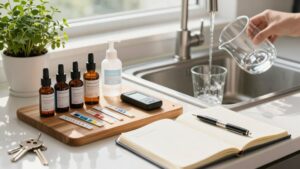
When should you collect your well water sample? Collect when water has sat unused for at least 6–12 hours; overnight is ideal so the sample reflects the static well water, not household piping. Use sterile bottles from an accredited lab; do not rinse them.
Before sampling, disinfect the tap per lab instructions; then run cold water briefly to clear standing plumbing. Fill bottles to the indicated level, avoiding overflow and contact with the stopper.
Immediately record sample labeling information: your name, address, date, time, and source. Keep samples cool (4°C) and deliver to the lab within the recommended holding time: usually 6–24 hours. Avoid storing samples in direct sunlight or in typical well water storage tanks.
Interpreting Results
Although a single positive coliform result doesn’t always mean you’re facing an immediate health crisis, you should treat it as a clear indicator that the barrier between surface or system contaminants and your well has been breached. You should repeat the test promptly and inspect wellhead integrity, nearby septic systems, and recent surface events.
If repeat tests confirm coliforms, consider testing for E. coli and other pathogens to quantify risk. While assessing results, use taste testing and odor comparison as adjuncts—not substitutes—for lab data; unusual tastes or smells strengthen the need for follow-up testing. Record sample dates, locations, and any household symptoms. Share results with local health authorities for interpretation and next-step guidance tailored to detected organisms.
Remediation Options
What should you do if your well tests positive for coliforms? First, repeat testing for coliform using a certified lab to confirm results and check for E. coli specifically. If confirmed, stop using water for drinking or cooking until treated.
Short-term remediation options include shock chlorination of the well and system disinfection, followed by retesting; this is effective for surface contamination but not structural breaches. Longer-term remediation options depend on cause: repair or replace damaged casing or cap, improve site drainage, or relocate well away from contamination sources.
Install point-of-entry disinfection (UV or continuous chlorination) and maintain regular testing for coliform. Document all actions and consult a licensed well professional for compliance and safety.
Frequently Asked Questions
Why Does My Water Suddenly Taste Metallic?
A sudden metallic taste usually means elevated metals like iron, manganese, copper, or zinc entering your well. Bacterial activity or corrosion often causes spikes.
Check recent plumbing changes, rainfall, or nearby road salt that can shift groundwater chemistry. Test for metallic taste causes and compare water hardness vs taste. Hard water affects feel and scaling, but metals change flavor.
Treat based on results: filtration, corrosion control, or shock chlorination as indicated.
Can Water Odors Indicate Plumbing vs. Well Issues?
Yes, water odor indicators can help you distinguish plumbing vs well cues. If hydrogen sulfide (rotten egg) appears at all taps, it is likely well-sourced. If it is only hot water, it is probably the water heater or plumbing.
Chlorine or chemical smells confined to one fixture point to plumbing or cross-connection. Musty, earthy odors throughout suggest aquifer or well contamination. Test source, check fixtures, and sample water to confirm.
How Quickly Can Contaminants Enter After Heavy Rain?
Contaminants can enter your well within hours to days after heavy rain. Rapid infiltration through compromised casing, saturated soils, or nearby surface runoff often causes immediate spikes. You’ll see seasonal spikes during spring thaw or intense storms when recharge rates increase.
Test your water promptly after heavy events. Inspect caps and seals, and use temporary bottled water if you detect taste, odor, or turbidity changes until lab results confirm safety.
Will Water Softeners Remove Bacteria or VOCS?
No, water softeners won’t remove bacteria or VOCs. You’d still need targeted treatment: chlorination, UV disinfection, or filtration for microbes. Additionally, you would require activated carbon or advanced oxidation for VOCs.
Use softeners for hardness control and scale prevention only. Test water first to identify contaminants. Then install appropriate “two word idea1” and “two word idea2” systems (e.g., carbon filters, UV units) sized and maintained per lab recommendations.
When Should I Shock My Well With Chlorine?
You should shock your well with chlorine whenever tests show bacterial contamination, after well construction or repairs, following flooding, or if you notice sudden taste, odor, or turbidity changes.
Prioritize well disinfection promptly; however, observe safety timing: wait at least 12–24 hours with chlorine in the system. Then flush until chlorine is gone and retest. Follow local health guidance and use proper concentrations or hire a professional for effective, evidence-based treatment.
Conclusion
You should take well water concerns seriously. Elevated nitrates, coliforms, or results above EPA maximum contaminant levels signal action is needed. Test periodically and after system changes or contamination events. Use proper sample collection to avoid false positives.
If results exceed limits, pursue targeted remediation: disinfection, filtration, or point‑of‑use treatment. This should be guided by a certified lab and licensed professional. Prompt, evidence-based steps reduce health risks and restore safe, reliable drinking water.