Remineralization After Reverse Osmosis Explained
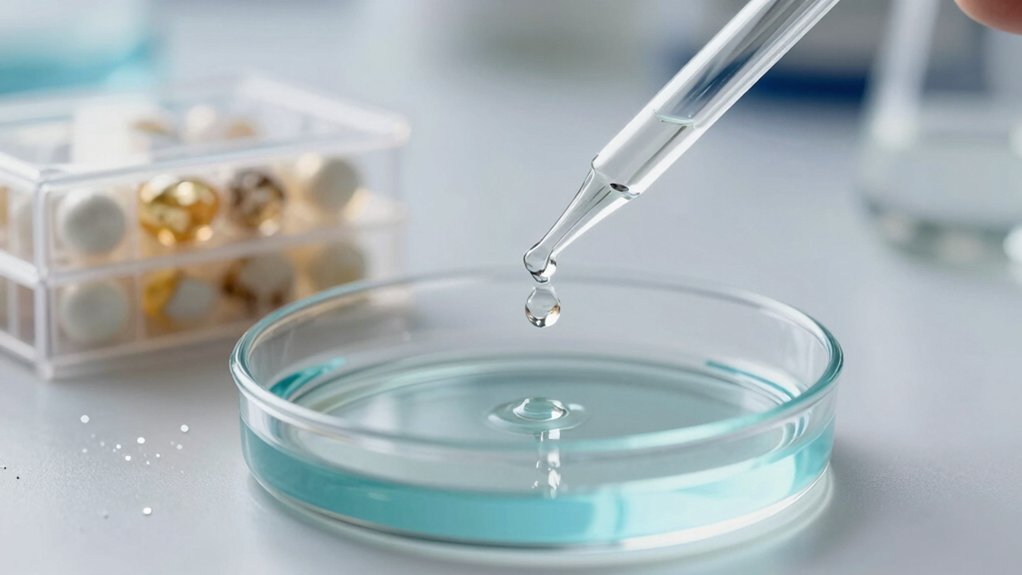
After reverse osmosis, you’ll restore predictable pH, hardness, and essential Ca/Mg so water tastes right, supports electrolyte balance, and won’t damage appliances. You’ll pick media—calcite, corosex, dolomite, or ceramic blends—based on desired Ca:Mg ratios and contact time to hit targets: general hardness ~40–120 mg/L as CaCO3; specialty brewing TDS 90–150 ppm.
Match cartridges to flow, pressure limits, and service life. Plan 6–12 month replacements to maintain output, and you can learn specific specs and installation steps.
Quick Overview
- RO removes most minerals and can produce low-pH, flat-tasting water that benefits from controlled remineralization for taste and safety.
- Choose media (calcite, corosex, dolomite, ceramic blends) based on desired Ca/Mg ratios, pH rise, and contact time.
- Target combined hardness ~40–120 mg/L as CaCO3 (approx. 16–48 ppm Ca, 4–15 ppm Mg) for general drinking water.
- For specialty brewing/espresso, aim for 90–150 ppm TDS with Ca:Mg ratios around 3:1 to 5:1 to optimize flavor and extraction.
- Match cartridge flow rate, pressure limits, and replace intervals (typically 6–12 months) while monitoring pH, TDS, and pressure.
RO System Mineral Targets
Why aim for specific mineral targets after reverse osmosis? You need predictable pH, hardness, and trace elements to restore taste, electrolyte balance, and system compatibility without overcorrecting. Select media—calcite, corosex, dolomite, ceramic—based on desired calcium/magnesium ratios and contact time.
Use plant based filtration pretreatment where organics demand it. Avoid interactions with non water related oilresin contaminants that foul media. Maintain target pH 6.5–8.5 and TDS per application (e.g., 90–150 ppm for coffee). Monitor outlet pressure and replace inline cartridges every 6–12 months to preserve performance and ORP benefits.
Choose media blends for consistent release and certify systems to NSF 58 for validated mineral restoration and safety.
| Media | Function | Use case |
|---|---|---|
| Calcite | pH raise, Ca add | Standard |
| Corosex | Mg add, pH raise | Balance |
| Ceramic beads | Trace release | Long-term |
Calcium/Magnesium Target Levels
How much calcium and magnesium should you target after RO depends on the intended use and physiological needs: for general drinking water aim for a combined hardness of 40–120 mg/L as CaCO3 (roughly 16–48 ppm Ca and 4–15 ppm Mg). Specialty applications like espresso or brewing often target 90–150 ppm TDS with a Ca:Mg ratio near 3:1 to 5:1 to optimize extraction and mouthfeel. You’ll choose targets based on taste, health intake, and equipment scaling risk.
Use known calcium sources like calcite or dolomite media to dose precisely; balance magnesium with corosex or formulated blends to maintain enzymatic relevance and mouthfeel without overhardness. Monitor combined hardness and adjust dosing rates for consistency.
- Aim for 16–48 ppm Ca; 4–15 ppm Mg
- Use calcite/dolomite for calcium sources
- Use corosex to fine-tune magnesium balance
- Test hardness and TDS regularly
pH Adjustment Cartridge Specs
When you select a pH adjustment cartridge, check the media composition (calcite, corosex, dolomite or mixed ceramic) because each element controls pH buffering and mineral dosing.
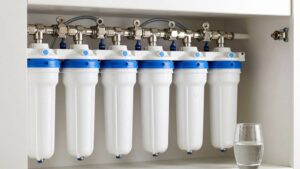
Verify the cartridge’s target pH range, compatible flow rates and expected service life so you can match system demand and replacement intervals. Also confirm installation requirements: hose sizes, pressure limits and orientation to ensure proper contact time and avoid channeling.
Cartridge Material Composition
Curious about what actually adjusts your RO water’s pH? You’ll find the answer in the cartridge material composition: a controlled mineral blend embedded in engineered filtration media. Manufacturers combine calcite (CaCO3), corosex (MgO), and sometimes dolomite to deliver predictable ion release rates.
Media particle size, surface area, and hardness determine contact time and dissolution kinetics. Therefore, you’ll prefer cartridges specified by grain size and flow-rate tolerance. Ceramic or volcanic substrates offer stable matrices that prevent channeling and maintain consistent dosing.
You’ll check manufacturer data for expected ppm increases per liter and recommended replacement intervals. Installation-wise, these cartridges act as a final-stage contact bed, passively elevating alkalinity while minimizing particulate shedding and maintaining RO system integrity.
Target pH Range
Why aim for a specific pH range? You control taste stability, corrosion potential, and biological compatibility by targeting a pH that matches consumption and appliance safety. For RO remineralization cartridges, specify a target range: commonly 6.5–8.5. This ensures media blends (calcite, corosex, dolomite) and contact time consistently yield predictable alkalinity and hardness increments.
When selecting specs, evaluate media composition, grams per liter loading, and expected pH shift per contact volume. Use two word discussion ideas like “alkalinity control” and “appliance safety” to frame performance goals. Provide test data showing inlet pH, effluent pH, temperature, and flow under standard pressure.
Set replacement intervals based on measured pH drift, not calendar days, to maintain the designed target range.
Flow Rate Compatibility
Having established target pH and media loading parameters, you now need to match those targets to the cartridge’s hydraulic performance. Flow rate compatibility defines how long water contacts calcite, corosex, or dolomite media; consequently, it dictates pH rise, alkalinity contribution, and mineral dosing.
You should verify cartridge-spec flow curves at typical household pressures so you can predict contact time and expected pH increment per liter. Higher flow rates reduce contact time, lowering remineralization efficiency and producing smaller alkalinity gains. Lower flows improve dosing but may exceed intended cartridge throughput.
Select cartridges rated for your system’s peak and nominal flow. Use empirical bench tests (sampled pH and conductivity at set flows) to confirm modeled outputs before installation.
Service Life Expectancy
How long will a pH adjustment cartridge actually last under your operating conditions? You’ll estimate operational lifespan by accounting for influent water chemistry, daily flow rate, and cartridge media mass. Manufacturers rate cartridges in gallons or months; convert both to your throughput to predict depletion.
High dissolved CO2, low alkalinity, or heavy usage shortens life; harder water can exhaust neutralizing media faster. Monitor outlet pH and pressure drop as performance indicators. Schedule filter replacement when pH drifts below target or flow declines beyond spec.
Keep spare cartridges and document service intervals to optimize uptime. For critical applications, validate operational lifespan with periodic titration or lab tests rather than relying solely on advertised ratings.
Installation Requirements
What do you need to know before fitting a pH adjustment cartridge to your RO system? Check cartridge compatibility with your system’s flow rate, connection type (1/4″ push-fit or quick-connect), and operating pressure range (typically 40–80 psi).
Verify media composition: calcite, corosex, or mixed bed, and expected pH shift per litre at nominal flow. Size the cartridge to achieve target alkalinity and TDS increase that matches bottled water alternatives while respecting plumbing codes.
Mount vertically with accessible shutoff and bypass valves. Include a post-cartridge pressure gauge and sample port for verification. Specify maximum temperature (usually ≤38°C) and initial flushing volume to stabilize pH.
Select cartridges aligned to consumer taste preferences and system chemistry to avoid overcorrection.
Maintenance And Replacement
When should you replace a pH adjustment cartridge and what routine checks will keep it performing to spec? Replace cartridges every 6–12 months or sooner if you see flow reduction, pressure drop, or pH drift beyond target. You should monitor inlet/outlet pH weekly for the first month. Then, monitor it monthly once stable.
Maintain a log of pH, flow rate, and cartridge age. Inspect O-rings and housing for leaks and biofilm during each service. Calibrate your handheld pH meter quarterly and verify with buffer solutions. Conduct periodic taste testing to confirm remineral flavor objectives and adjust cartridge type (calcite, corosex, dolomite) if results drift.
Keep replacement parts on hand and follow manufacturer torque and flushing specifications during installs.
Frequently Asked Questions
Can Remineralized RO Water Affect Medication Absorption?
Yes, remineralization impact can subtly influence medication absorption. You’ll experience minor changes if minerals (calcium, magnesium, bicarbonate) bind certain drugs (tetracyclines, fluoroquinolones, some bisphosphonates) or alter gastric pH; this affects solubility and water mineral uptake.
Clinically significant interactions are uncommon with typical remineralized RO levels. However, you should consult your clinician or pharmacist for specific medications and consider spacing doses from mineral-rich water by 2–4 hours.
Are Minerals From Remineralization Bioavailable Like Food Minerals?
Yes, minerals from remineralization are generally bioavailable; however, they differ from food minerals in form and matrix. You’ll see a bioavailability comparison favoring food for complexed minerals bound in organic matrices.
Yet simple ionic salts (calcium carbonate, magnesium oxide, bicarbonates) absorb via typical mineral absorption mechanisms in the gut. Practically, remineralized RO water supplies usable ions quickly. However, it won’t replace the broader nutritional benefits of whole foods.
Can Remineralization Increase Sodium for Low-Sodium Diets?
Yes, remineralization can raise sodium; you should monitor remineralization effects and sodium concerns. Some mineral blends and salts, especially sea salt or Himalayan salt, add measurable sodium.
Choose cartridges or mineral drops formulated with low-sodium minerals (calcite, dolomite) and check product specs for mg/L sodium. If you’re on a strict low-sodium diet, measure treated water with a TDS/sodium test or consult your clinician before regular use.
Do Remineralization Cartridges Promote Bacterial Growth?
Yes, remineralization cartridges can promote bacteria growth if neglected. For remineralization safety, you’ll minimize bacteria growth concerns by selecting cartridges with inert media, ensuring flow-through design, and replacing cartridges per manufacturer; usually 6–12 months.
You’ll also flush systems after changes, maintain low residence time, and consider post-filter disinfection or UV. Regular maintenance and monitoring (TDS, microbiological tests) keep remineralized water microbiologically safe.
Is Remineralized Water Safe for Infant Formula Preparation?
Yes, you can use remineralized water for infant formula preparation if the remineralization safety is verified. Ensure the cartridge adds controlled levels of calcium, magnesium, and bicarbonate within pediatric guidelines; also, ensure that sodium stays low.
Use water tested for microbial safety (no coliforms) and follow formula-maker and pediatrician recommendations on mineral content. Replace cartridges per schedule and document water tests to maintain consistent, safe mineral levels for infants.
Conclusion
After reverse osmosis, you’ll want remineralization that reliably restores calcium and magnesium to target levels (typically 20–60 mg/L combined) and brings pH into the specified range (usually 7.0–8.5).
Choose a cartridge whose composition and flow-rate rating match your system. Confirm service life and replacement schedule for consistent performance. Install per manufacturer specs to avoid channeling or pressure drops. Perform routine checks on cartridge integrity and post-treatment water quality.