Is Reverse Osmosis Water Too Pure
You’ll get very low-TDS water from reverse osmosis: typically 95–99% of dissolved solids are removed. It can taste flat or feel “too pure” for drinking and some uses. RO’s performance depends on feedwater, pressure, and membrane condition. Aging or fouling raises permeate TDS.
Many systems add a mineral cartridge to restore calcium/magnesium for taste and alkalinity. If you want specifics on blends, dosing, installation, and maintenance, keep going and you’ll learn more.
Quick Overview
- RO removes 95–99% of dissolved solids, producing very low-TDS water that tastes flat to some people.
- Nutritionally, RO water removes trace minerals; however, it typically does not remove enough to cause deficiency in people with a balanced diet.
- Very low TDS can be remineralized with a post-filter (calcite/mixed media) to improve taste and alkalinity.
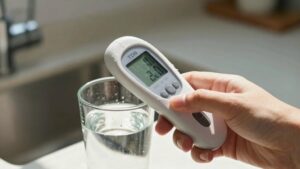
- Monitor membrane rejection by measuring feed and permeate conductivity. Aging or fouling raises permeate TDS.
- For very high feed TDS or lab-grade needs, combine RO with pretreatment or DI/ion exchange for near-zero TDS.
TDS Reduction Comparison
How much dissolved material do you want removed from your water? You’ll compare RO, distillation, and DI for TDS reduction and choose by need, not by unrelated topic or off topic opinions. RO yields 95–99% TDS reduction; this is ideal for homes with high TDS. Distillation matches reduction but costs more energy. DI reaches near-zero TDS for labs.
| Method | TDS Reduction | Best Use |
|---|---|---|
| RO | 95–99% | Household, balanced taste |
| Distillation | 95–99% | Small-scale absolute purity |
| DI / Ion Exchange | Near-zero | Industrial/lab polishing |
Use pretreatment with RO for very high feed TDS. Consider remineralization to avoid flat taste. Choose by measurable goals and cost-effectiveness.
RO Membrane Rejection Rates
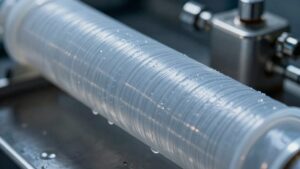
Why does membrane rejection matter for your water quality? You rely on the membrane’s rejection to remove salts, metals, and organics. Its performance directly sets permeate purity and TDS. Rejection variability arises from feedwater composition, pressure, temperature, and membrane condition.
Over time, membrane aging reduces rejection; so monitoring is crucial.
- Measure: Track feed and permeate conductivity to calculate salt rejection (%) and detect rejection variability quickly.
- Inspect: Fouling or chemical exposure accelerates membrane aging, lowering rejection and increasing TDS.
- Maintain: Follow manufacturer flushing and prefilter schedules to limit aging effects and keep rejection within specifications.
You’ll get consistent high-purity RO water by detecting variability early. Replace membranes before performance degrades.
Mineral Reintroduction Cartridge Guidelines
When you add a mineral reintroduction cartridge to an RO system, you’re balancing taste, alkalinity, and a small portion of dissolved minerals that RO strips out. Choose a cartridge with a documented mineral blend and verify recommended dosage and flow rate to achieve target TDS and pH without overloading the post-filter. Watch for lifespan indicators like reduced flow, color change, or manufacturer-specified capacity.
Install the cartridge per orientation and pressure specs to ensure consistent contact time and predictable mineral dosing.
Mineral Cartridge Purpose
What does a mineral cartridge do in an RO system? A mineral cartridge reintroduces measured amounts of calcium, magnesium, and sometimes potassium into low-TDS RO permeate to restore mouthfeel and support taste optimization. You’ll find cartridges use media such as calcite or mixed oxides that dissolve slowly, raising alkalinity and buffering pH toward neutral or slightly alkaline levels.
Evidence shows modest remineralization improves perceived flavor without restoring harmful contaminants that RO removed. Install according to manufacturer flow rate and replacement schedules to avoid bacterial growth or scaling in downstream appliances. You should still rely on diet for essential minerals; the cartridge’s goal is sensory and modest chemical balance, not nutritional sufficiency.
Monitor TDS and pH to confirm target levels are maintained.
Mineral Blend Options
Having covered how mineral cartridges restore mouthfeel and buffer pH, you’ll now examine the common blend options used to reintroduce minerals into RO permeate and the guidelines for choosing them. You’ll find blends based on calcium-magnesium ratios, single-mineral calcium or magnesium, and trace-mineral mixes that add low concentrations of potassium, bicarbonate, and silica.
Choose blends that target a modest mineral balance; raising TDS to roughly 50–200 ppm allows water to gain structure without hardness. Consider intended taste profiles: higher calcium gives fuller mouthfeel; magnesium can add bitterness at excess levels; trace mixes yield subtle minerality. Prefer cartridges with quantified dosing, food-grade mineral salts, and neutral pH shifts.
Test TDS and taste after installation to confirm the chosen blend meets your goals.
Dosage And Flow Rate
How much mineral you add and how fast your water flows through the cartridge determine the final TDS and taste. So, set dosing to match your desired 50–200 ppm target and your system’s GPD (gallons per day) or L/min flow. You should calibrate dosing based on measured permeate TDS; adjusting cartridge bypass or blend valves in small increments and documenting results is essential.
Use a flow meter or manufacturer flow specs to confirm contact time; shorter contact reduces dissolution and lowers added minerals. Routine dosage discussions with supplier data sheets help you match mineral type and concentration to expected extraction rates.
Keep flow considerations central: maintain stable flow, avoid pulsed operation, and re-test after any flow or cartridge change to verify target TDS.
Cartridge Lifespan Indicators
After you set dosing and confirm stable flow, you’ll need reliable indicators to know when a mineral reintroduction cartridge is spent. You should monitor outlet TDS and periodic conductivity to track mineral balance; a gradual rise then plateau in TDS suggests cartridge exhaustion.
Follow manufacturer-specified cartridge lifecycle hours or treated-gallon estimates rather than calendar time alone, since feed water quality and flow affect performance. Visual cues, such as reduced alkalinity in pH checks or altered taste, can corroborate instrument readings.
Keep a log of baseline TDS after installation and schedule verification tests at defined intervals. Replace cartridges when TDS or mineral profile falls outside target ranges or when lifecycle limits are reached. Regular verification ensures consistent mineral balance without over- or under-dosing.
Installation And Orientation
Where should you place and orient a mineral reintroduction cartridge to ensure consistent dosing and service life? Install it downstream of the final RO membrane and carbon stages. If the manufacturer specifies, install it vertically to promote even flow through media and prevent air pockets. Maintain a short, straight run of tubing to minimize dead volume and flow variability that would alter dosing.
Secure fittings to avoid stress and leaks that shorten service life. Label and document installation orientation and date to support predictable performance and integration with maintenance scheduling. Use system-compatible pressure and flow rates; excessive backpressure or low flow reduces contact time and dosing consistency.
Follow measured TDS and pH verification after installation to confirm intended reintroduction without guessing.
Maintenance And Replacement
When should you replace the mineral reintroduction cartridge to keep dosing consistent and water quality stable? You should follow manufacturer life-span data, typically 6–12 months, and verify performance with periodic maintenance review.
Monitor TDS and pH monthly; a rising deviation signals cartridge exhaustion or channeling. In a remineralization comparison, test new versus in-service cartridges to quantify dose drift and mineral output.
Replace cartridges sooner in high-use systems or when source water TDS varies widely. Higher flow reduces contact time and dosing accuracy.
Keep records of replacement dates, flow volumes, and measured TDS/pH to support evidence-based schedules. Regular cartridge replacement ensures stable taste, consistent mineral concentrations, and predictable post-RO water quality.
Frequently Asked Questions
Does RO Water Increase Plumbing Corrosion Risk?
RO water can slightly increase corrosion risk because it’s low in minerals and more aggressive toward some metals. You won’t always notice changes in do water taste; however, metal leaching can alter flavor. You should monitor piping material, use corrosion-resistant plumbing, and perform membrane maintenance to preserve performance.
Evidence shows proper system design, remineralization cartridges, and regular maintenance minimize corrosion while keeping water safe and palatable.
Can RO Systems Remove Microplastics Reliably?
Yes, RO systems reliably remove microplastics. You’ll see excellent microplastics filtration because the semipermeable membrane and prefilters block particles far smaller than common fragments. Membrane efficacy typically captures particles down to submicron sizes. This process removes >95% of plastic fibers and beads when systems are properly maintained and combined with sediment and carbon stages.
You should monitor filter condition and follow replacement schedules to sustain consistent performance.
How Often Should RO Membranes Be Professionally Replaced?
You should plan a replacement schedule of every 2–5 years for RO membranes, depending on feed water quality, system usage, and prefilter upkeep.
With good prefiltration and moderate use, membrane longevity often reaches 3–5 years; high-TDS or contaminated supplies shorten it toward 2 years.
Monitor permeate flow, TDS rise, and pressure drops. Professional inspection and testing annually help determine precise timing and ensure optimal performance.
Is Bottled RO Water Nutritionally Different Than Tap?
Yes, bottled RO water is nutritionally different than tap water. You’ll get much lower mineral content (calcium, magnesium, potassium) in bottled RO compared with many taps, since RO removes most dissolved minerals.
That said, your diet supplies primary minerals; so health impact is minimal. Some bottled RO brands add remineralization to improve taste and electrolytes; others don’t. Check labels or use a TDS tester to confirm mineral levels.
Can Pets Drink RO Water Exclusively?
Yes, you can give pets RO water exclusively. RO safety is supported by evidence: it removes contaminants and pathogens, reducing exposure risks. You should monitor pet hydration and electrolyte balance, especially for young, sick, or exotic animals. Remineralized RO water or dietary mineral sources may be advisable.
Use clean bowls, replace water often, and consult your vet if you notice appetite, thirst, or health changes. This will ensure optimal pet hydration.
Conclusion
You’ve seen how RO systems cut TDS and how membrane rejection rates vary, so you can judge whether water feels “too pure” for you. If you prefer some minerals, add a mineral reintroduction cartridge: choose a balanced blend and match dosage to flow rate.
Watch cartridge lifespan indicators and install the unit per orientation guidelines. Maintain and replace components on schedule to keep water safe and consistent with your taste and health needs.