How to Tell if Your Fridge Uses an Internal or Inline Filter
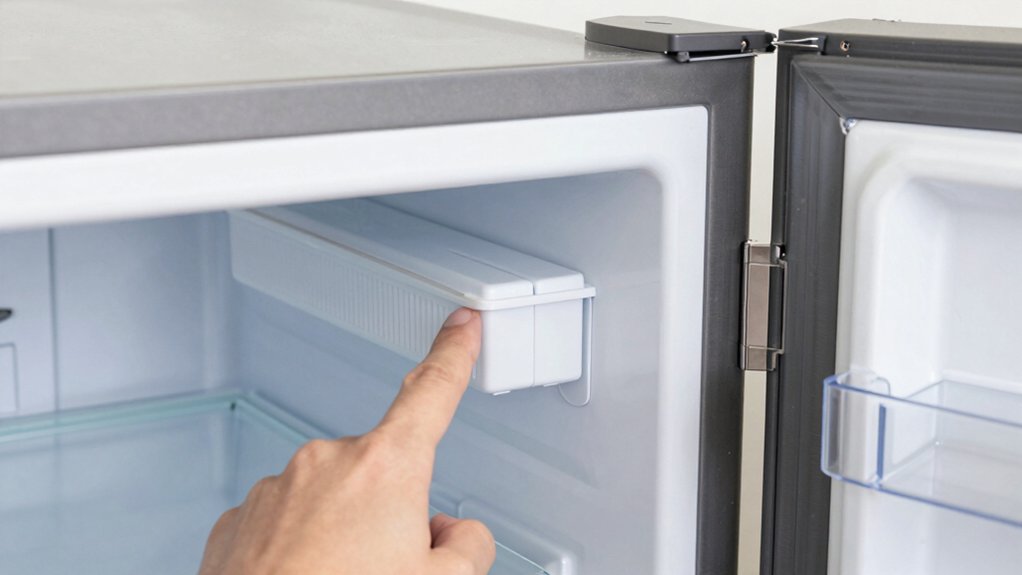
Check behind your fridge door bins or the toe grille first: An internal filter sits inside a bay or canister behind those panels and needs a model-specific cartridge.
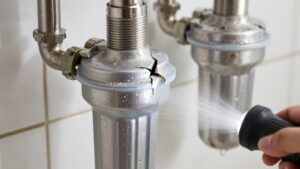
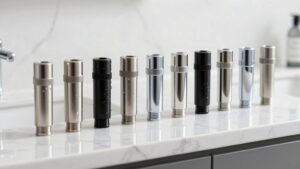
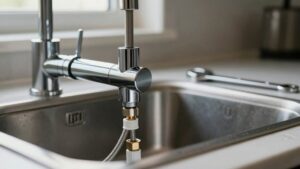
If you find a cylindrical cartridge on the water line behind or under the appliance, that’s an inline filter that connects with tubing fittings and is often universal. You can also note the model/serial on the appliance and use the maker’s lookup to confirm.
Keep going to learn how to inspect and replace each type.
Quick Overview
- Check behind the top door bins or lower grille for an internal cartridge bay inside the fridge interior.
- Look under or behind the appliance for an inline canister or small filter clamped to the water tubing.
- Consult your fridge manual or manufacturer lookup using the model/serial label to confirm filter type and location.
- Trace the water tubing from the supply: a visible inline unit on the line means external filtering, not internal.
- Monitor dispenser flow and filter indicator lights. Internal filters often have replacement indicators; inline units do not.
Filter Location Comparison Chart
Wondering where to start comparing internal and inline filters? You’ll quickly spot location and access differences that determine selection and maintenance. The internal filter sits inside the fridge: behind door bins or grille. It demands model-specific cartridges and push/twist installation. The inline filter mounts externally on the water line; it uses tubing fittings and fits many models without internal access.
| Feature | Location |
|---|---|
| Access | Internal: behind bins or grille; Inline: behind fridge or under cabinet |
| Compatibility | Internal: brand/model-specific; Inline: often universal |
Use this chart to inspect your unit. Check the manual or lift the base grille for an internal filter. Trace tubing behind the appliance for an inline filter. You’ll avoid wrong purchases and simplify replacements.
Filter Replacement Interval Guide
How often should you change your refrigerator water filter? You’ll base intervals on function, water quality, and the filter type: internal timing is typically 6–12 months (200–400 gallons). While inline cadence can vary with sediment load and may require more frequent swaps.
- Internal: Replace every 6–12 months. Monitor dispenser flow and indicator light. Follow cartridge-specific sizing and reset procedures.
- Inline: Inspect tubing and fittings quarterly. Replace sooner if you see reduced flow or sediment. Shut off supply and use drip containment when changing.
- Performance check: Flush 2–4 gallons after replacement. Verify flow rate recovery and log dates to maintain consistent internal timing and inline cadence.
Model and Serial Lookup
Locate your fridge’s model and serial on the interior wall, door jamb, or back panel so you can confirm filter type. Note the label format: manufacturer codes, dash-separated model numbers, and production dates. Then use the maker’s lookup tool or site to translate those codes.
If the numbering’s unclear or online lookup fails, contact manufacturer support with the label information for exact filter compatibility and installation guidance.
Model And Serial Location
Where can you find your refrigerator’s model and serial number? Check the door jamb, inside walls, or the back panel. Manufacturers place a durable label in one of these standard spots. For model lookup, remove crisper drawers or open both doors; the sticker is often on the upper interior wall or door frame.
For serial lookup, inspect the rear access panel or the compressor compartment if interior labels aren’t visible. Document both values exactly, including punctuation and letter case; they map directly to service parts and filter type. If the label is faded, use a flashlight and magnifier or photograph and enhance the image.
With model and serial confirmed, consult the manufacturer’s parts database to determine whether your fridge uses an internal or inline filter.
Label Format Differences
Why does the label look like a jumble of letters and numbers? You’ll find that model and serial formats differ because manufacturers encode configuration and production data. Internal labeling often uses compact codes tied to filter bays or chassis revisions; those codes map to cartridge-specific sizes and keyed slots.
Inline branding tends to display clearer model names and part numbers on external housings or attached tags, since compatibility across lines is emphasized. When you read a label, note prefix patterns: internal labeling prefixes can indicate shelf or bay orientation, while inline branding usually includes flow direction or tubing specs. Use those predictable format cues to determine whether your refrigerator expects an internal cartridge or an externally mounted inline filter.
Manufacturer Lookup Tools
Curious how to confirm whether your fridge uses an internal cartridge or an inline filter? Use manufacturer lookup tools: enter model numbers and serial codes on the maker’s site or authorized parts databases. You’ll get a definitive parts list, filter location diagram, and replacement procedures tied to that exact appliance configuration.
If the lookup shows a cartridge assembly with keyed slots and an access panel, it’s internal; if it lists tubing, inline fittings, or an in-line part number, it’s external. Save screenshots or PDF results for reference when ordering. When the website can’t resolve the code, contact support with both model numbers and serial codes. Manufacturers can cross-reference production runs and clarify whether your unit shipped with an internal or inline filter.
Decoding Model Numbers
Start by locating your refrigerator’s model and serial numbers. These are usually on a sticker inside the fridge, on the door frame, or on the back panel. Those codes encode the production details you’ll need to determine whether the unit uses an internal cartridge or an inline filter.
Once you have the model number and serial number, enter them into the manufacturer’s parts lookup or service portal. The lookup returns parts diagrams, filter type (internal vs inline), and installation orientation.
Decode prefixes and suffixes: some manufacturers append “IF” or “INT” for internal cartridge designs and “IL” or “INLINE” for external housings. Cross-reference the part code with the diagram to confirm whether a cartridge bay or external tubing fitting is specified for your exact model number.
When To Contact Support
When should you contact manufacturer support for model and serial lookup? Contact support when your model number is obscured, decal damaged, or Decoding Model Numbers didn’t resolve filter type. Provide the serial and model exactly as shown on the appliance plate. If the plate is inaccessible, ask support to guide a safe access method to confirm internal location details without voiding warranty.
Use support when you need official confirmation of inline compatibility for aftermarket or universal filters. You should also contact support when replacement part codes conflict across parts lists. Support can verify whether your refrigerator uses a cartridge-style internal bay or an external inline connection. They can confirm necessary fittings and record your unit for warranty.
Keep notes of the agent, reference ID, and any authorized part numbers for future service.
Frequently Asked Questions
Can I Use an Inline Filter With an Internal Filter Housing?
Yes, you can sometimes use an inline filter with an internal housing, but it depends on inline compatibility and available space. You’ll need to bypass or remove the cartridge; route tubing through the cabinet or grille, and secure quick‑connect fittings so the inline filter’s flow arrow points toward the fridge.
Verify sealing, pressure ratings, and reset indicators. If model specifics or keyed slots prevent conversion, use a manufacturer‑approved adapter or stick with the internal housing.
Will a DIY Adapter Void My Refrigerator Warranty?
Yes, using a DIY adapter can void your refrigerator warranty. Manufacturers often state that modifying internal warranty components or forcing inline compatibility voids coverage if damage results. You’re altering water fittings, seals, or flow characteristics, which risks leaks, corrosion, or valve failure.
To preserve warranty, use approved adapters or OEM parts and document manufacturer approval. Otherwise, you’ll likely be responsible for repairs and denied warranty claims.
Do Filters Affect Ice-Maker Taste Differently Than Water Dispensers?
Yes, you’ll notice taste differences: correct fridge filter types and placement change ice-maker vs dispenser flavor. Ice contacts frozen surfaces longer and can trap odors from internal cartridges or housing. Inline filters primarily affect flowing water taste but still influence ice if upstream.
You should use the manufacturer-recommended filter type and replace it per schedule to minimize off-flavors. Flush after installs, and monitor indicator lights for both ice and water quality.
Can Water Pressure Damage an Inline Filter or Connections?
Yes, excessive water pressure can damage an inline filter or its connections. You should keep water pressure within the filter’s rated range to protect inline filter durability, fittings, and seals.
High pressure stresses compression or quick‑connect fittings; it deforms housings, causes leaks, and accelerates seal wear. Install a pressure regulator and shock arrestor if needed.
Additionally, inspect tubing and connections regularly for bulging, leaks, or loose fittings to prevent failures.
Are There Indicators for Bacterial Contamination in Internal Filters?
Yes, you can spot internal filtration contamination indicators. You’ll notice cloudy or off-tasting water, foul odors, and reduced flow from dispenser or ice. Visible biofilms or discoloration at the cartridge access, and accelerated filter life indicator alerts also signal microbial growth.
You should monitor pressure drops and increase replacement frequency if sediment-heavy. Always follow sterile handling; flush 2–4 gallons after swap, and consider silver-impregnated media for prevention.
Conclusion
You can quickly determine whether your fridge uses an internal or inline filter by checking the filter location chart and decoding the model/serial number. Compare label formats and use manufacturer lookup tools to confirm.
For ambiguous cases, inspect behind the crisper drawer or at the water line entry point. Consult the replacement interval guide for clues. If you’re still unsure, contact manufacturer support with the model and serial; do not attempt modifications without confirmation.