How Often to Change Water Filters by Type
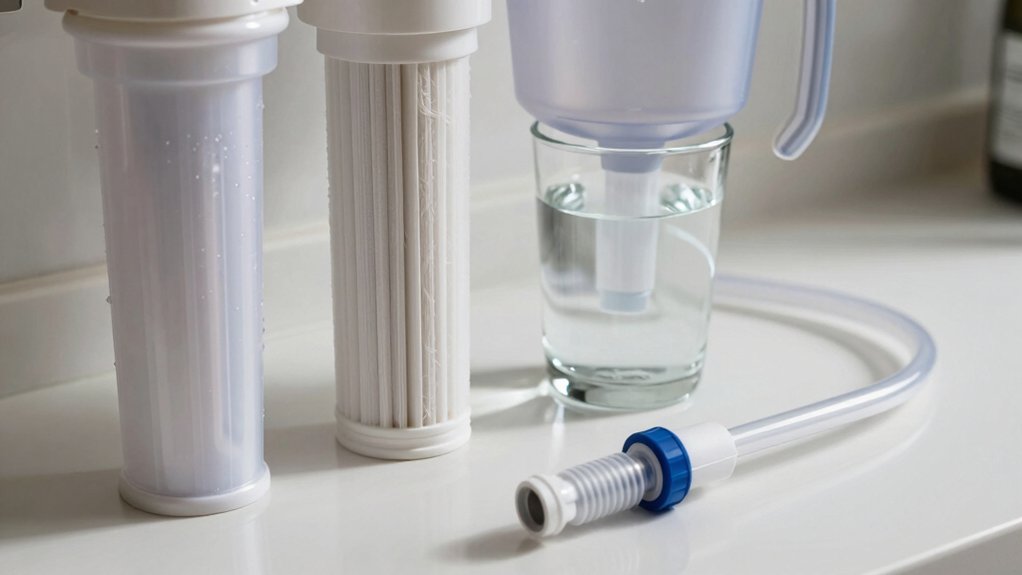
You should match replacement to filter type and water conditions. Pitcher/bottle filters usually need swapping every 3 weeks to 6 months.
Cartridge whole‑house or point‑of‑use filters need replacement about 6–12 months.
Under‑sink/tank systems and specialty media can last months to several years.
RO membranes merit attention when flow or rejection drops ~10–15%.
Watch for taste, odor, and a 20–50% steady flow decline. Follow manufacturer guidance, monitor usage, and keep an eye on seasonal changes for precise timing. More specifics follow.
Quick Overview
- Pitcher and bottle filters (Brita/PUR/ZeroWater) typically need replacing every 3 weeks to 6 months depending on use and water quality.
- Under-sink and tank systems (Aquasana/SpringWell) use durable cartridges that last for years; they often last up to 10 with proper maintenance.
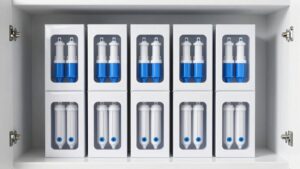
- Whole-house and cartridge systems generally require cartridge changes every 6 to 12 months. They need to be changed sooner with high sediment or hard water.
- Replace filters when flow drops 15–50% (type-dependent) or when taste, odor, or pressure problems persist after flushing.
- Base replacement intervals on two factors: usage rate and incoming water quality. Monitor monthly for performance declines.
Filter Lifespan by Brand
How long will a filter actually last in your home? You’ll see clear brand differences: pitcher brands like Brita last approximately 2 months; PUR lasts up to 6 months, and ZeroWater lasts 3 to 5 weeks depending on TDS.
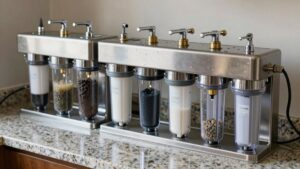
Under-sink and whole-house tank systems (Aquasana, SpringWell) can run for years or have 10-year capacities with minimal upkeep. Cartridge systems often need changes every 6 to 12 months.
| Brand type | Typical lifespan |
|---|---|
| Pitcher (Brita/PUR/ZeroWater) | 3 weeks to 6 months |
| Under-sink/tank (Aquasana/SpringWell) | Years (up to 10) |
| Cartridge whole-house | 6 to 12 months |
Plan filter maintenance around water quality and usage. High sediment or hard water means earlier replacement.
Monthly vs. Yearly Schedule
Why choose a monthly versus yearly filter schedule? You’ll weigh contaminant load, device type, and usage to decide between frequent swaps and annual changes. Monthly vs yearly isn’t one-size-fits-all; evidence supports short intervals for small pitchers and bottles, longer for durable cartridges.
Match schedule to filter type: pitchers and bottles often need monthly changes. Whole-house and RO membranes last yearly or longer.
Monitor performance: reduced flow or taste shifts signal need sooner than scheduled. Consider water quality: high sediment or hardness pushes you toward monthly service.
Use two word discussion ideas like “usage rate” and “water quality” to guide decisions.
You’ll follow practical, manufacturer-backed intervals and adjust based on measured signs, not habit alone.
Filter Flow Rate Thresholds
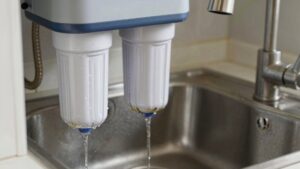
Watch for steady drops in water pressure or slower fills. These are the clearest signs your filter’s flow rate has fallen. You can measure flow by timing a liter or gallon fill and comparing it to the new-filter baseline. Many manufacturers set action thresholds; for example, a 25–50% reduction that indicates replacement.
Keep in mind benchmarks vary by filter type and season. Sediment-heavy periods or colder months can reduce flow faster than normal.
Recognizing Reduced Flow
When do you know a filter’s flow has fallen below acceptable levels? You’re recognizing reduced performance when you see a sustained flow decline rather than a single slow pour. Practical thresholds vary by filter type: pitchers and faucet units often show noticeable slowdown within weeks. Sediment and carbon cartridges typically demonstrate measurable decline after several months. Whole-house and RO pre-filters produce pressure drops you can feel at multiple fixtures.
Evidence-based cues include consistent drop in liters per minute, increased time to fill standard volumes, and visible pressure gauge change where fitted. Don’t wait for taste or cloudiness; use timed fills or installed gauges to detect ongoing decline. Replace cartridges when decline persists despite flushing or mild backwashing.
Measuring Flow Rate
Reduced flow you’ve noticed at fixtures is best quantified by measuring filter flow rate rather than relying on perception alone. You can time a fixed volume—1 gallon or 3.8 liters—using a container and stopwatch at a single outlet. Then calculate gallons per minute. Compare that measured flow to the system’s rated flow rate and the filter capacity listed by the manufacturer.
When actual flow drops substantially below rated flow or when cumulative gallons processed approaches filter capacity, you should plan replacement. Record measurements monthly to detect trends and link declines to clogging or exhausted media. This objective approach helps you avoid premature changes while ensuring performance-based replacements that protect water quality and system longevity.
Flow Threshold Benchmarks
Why does a clear numeric flow threshold matter for your filters? You need a specific flow rate benchmark to decide when to change cartridges before contaminants or pressure loss become problems. Set thresholds based on baseline performance: measure initial liters per minute or gallons per minute. Then mark a 20–30% decline as actionable.
For membranes, tie replacement to membrane efficiency metrics and permeate flow drops rather than time alone. A 30% reduction in permeate flow often signals reduced rejection performance. For sediment and carbon stages, use absolute flow values aligned with device specs and household demand so you avoid starvation or fouling downstream.
Record periodic tests, compare against thresholds, and replace when flow rate breaches your pre-set limit.
Filter Type Variations
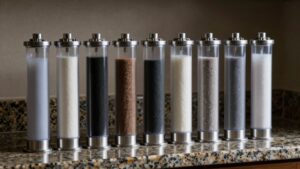
How should you set flow-rate thresholds for different filter types to catch performance drops before contaminants or pressure issues arise? Use baseline rates from manufacturers and adjust for material replacement schedules: sediment pre-filters often show meaningful flow loss by 6–12 months, so set thresholds at a 20–30% drop. Carbon cartridges can tolerate longer; set triggers at 15–25% depending on contact time.
For RO membranes, monitor feed and permeate flows. Flag a 10–15% decline given longer service life. Pitcher and refrigerator filters need tighter thresholds due to small capacity: use 25% or fixed fill counts.
Always document thresholds, log measured flows, and align with warranty considerations. Exceeding recommended thresholds or delaying replacement may void coverage.
Seasonal Flow Impact
When will seasonal changes affect your filter flow enough to trigger a replacement? You’ll see seasonal flow shifts when temperature, runoff, or municipal treatment changes increase particulates or biological load. Measure flow rate against the manufacturer’s minimum: a sustained drop of 15–25% over normal baseline typically indicates clogging from seasonal sediment.
For sediment and pre-filters, expect faster decline during spring thaw or fall rains. In hard-water summers, mineral deposition can also reduce throughput. Track daily gallons and pressure; if flow falls below the cartridge’s rated throughput or you hit the lower pressure threshold for more than a week, plan replacement.
Use objective flow thresholds rather than intuition; seasonal flow patterns predict when filters move from effective to restrictive.
When To Replace
Want to know exactly when to swap a filter? Monitor flow rate: when output drops by about 25–30% from baseline, it’s time to replace sediment, carbon, or whole-house cartridges. Measure initial flow after installation, then recheck monthly; record gallons where possible.
For RO membranes, a steady pressure or flow decline after pre-filter changes indicates membrane aging. Replace at the 20–50% drop range or per model guidance. Use manufacturer specs but account for brand differences and lifespan comparisons across systems: pitchers and bottles hit limits quickly; RO membranes last years. Hard water or visible turbidity demands earlier swaps.
Don’t wait for taste changes. Reduced flow signals clogging and contaminant buildup that compromise performance and water quality.
Frequently Asked Questions
How Do I Safely Dispose of Used Water Filters?
You should seal and bag used filters, label them, and follow local disposing filters rules and safety precautions. For carbon or sediment cartridges, let them dry. Then place in household trash if local waste guidelines allow; some areas accept them as regular waste.
For RO membranes or whole-house units, check manufacturer take-back, recycling programs, or hazardous-waste sites. Don’t rinse contaminants into drains. Document disposal if required by local regulations.
Can Water Filters Be Cleaned and Reused?
You generally can’t fully clean and reuse most household water filters. Cleaning feasibility and reuse limits depend on type. You can rinse sediment pre-filters and some reusable carbon housings to extend life. However, pitcher, refrigerator, and disposable carbon cartridges aren’t meant to be cleaned and will underperform.
RO membranes and whole-house media need proper replacement per specs. Follow manufacturer guidance and monitor flow and taste to decide when to replace.
Do Filters Affect Water Mineral Content or pH?
Yes, filters can change mineral content and pH impact; however, effects are usually small. You’ll find carbon and sediment filters remove particulates and some trace metals, barely altering hardness or pH.
Reverse osmosis and deionization systems substantially reduce dissolved minerals and can lower pH slightly, making water more acidic. If you need specific mineral retention or pH balance, choose systems with remineralization or pH‑balancing stages.
How Do I Know When a Filter Is Counterfeit?
Check packaging and labels immediately: Authenticate branding by matching logos, holograms, batch numbers, and seller info to the manufacturer’s website.
How to verify authentic branding: Scan QR codes, call stated support, and buy from authorized dealers.
How to spot fake certifications: Compare certification marks and lab reports against certifier databases (NSF, WQA). Look for typos, missing seals, or altered dates. If anything seems off, don’t install it.
Are Filter Replacements Covered by Warranty or Service Plans?
Yes, you’ll often find filter replacements covered partly by warranty coverage or included in service plans; however, terms vary. Check manufacturer warranties for defects versus normal wear since many exclude routine filter consumables.
Service plans commonly offer scheduled replacements, labor, and discounted cartridges. Keep receipts and serial numbers, follow replacement intervals, and document installations to assure claims succeed under warranty coverage or your chosen service plan.
Conclusion
You should check and replace filters based on type, brand, and measurable flow changes rather than guesswork. Track each filter’s recommended lifespan; monitor flow rate against the manufacturer’s threshold; and look for clear signs of reduced output or taste and odor changes.
Replace cartridges seasonally if source water varies. Keep a simple log and a spare filter on hand so you’ll swap filters promptly when flow or performance falls below safe benchmarks.