Bpa Free Plastic Water Bottles What It Means
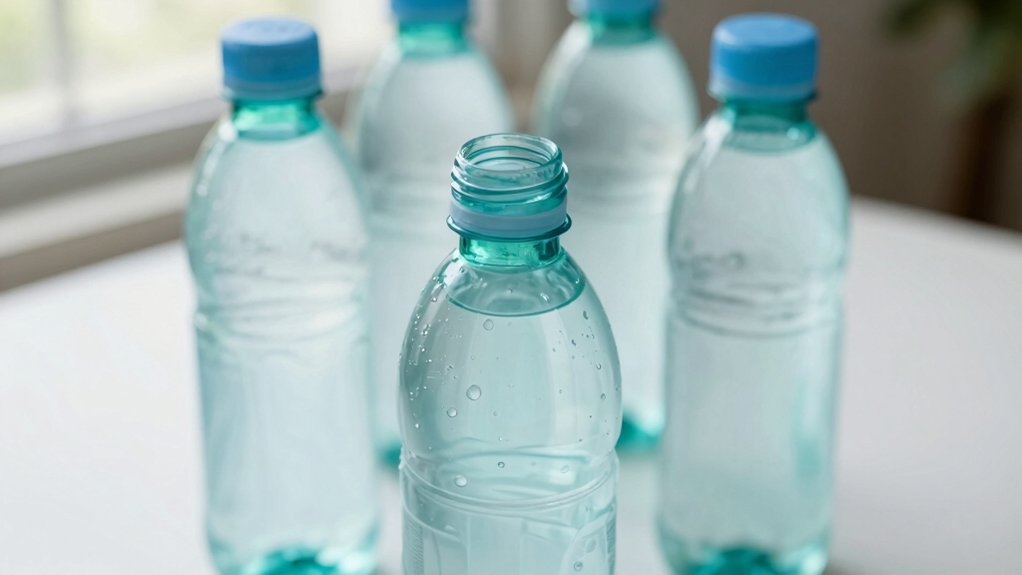
When a bottle says “BPA-free,” it means the maker claims it contains no bisphenol A or polycarbonate and usually uses alternative plastics or materials tested for low migration. You should still check for third-party test data and specific material names.
Heat and storage time raise chemical leaching; so follow manufacturer temperature and dishwasher guidance. Note that different plastics and brands behave differently, and certifications vary. Keep going to see the test conditions and labeling checklist that clarify real-world risk.
Quick Overview
– “BPA-free” means the bottle’s material is not polycarbonate and is marketed to avoid bisphenol A leaching into drinks. BPA-free does not guarantee no harmful chemicals: manufacturers may use BPA analogs or other additives unless third-party tested.
Heat, sunlight, and long storage increase chemical migration from plastics; therefore, “BPA-free” bottles can still leach under stress. Check labels and specs for explicit “polycarbonate-free” and listed alternative materials (Tritan, polyethylene, stainless steel) as well as testing details.
Prefer products with independent certification or thermal-stability data. Avoid hot-fill or prolonged heating to reduce leaching risk.
BPA Migration Test Results
Studies show BPA migrates from polycarbonate containers into liquids quickly. Heat and time strongly increase migration; you can detect BPA on day one. However, levels rise exponentially with temperature and prolonged storage. You’ll see consistent patterns: room-temp day 1 traces (0.030–0.080 ng/mL) escalate to multiple ng/μL at 60°C and with sunlight.
Data show brand and plastic variability. Brand B often exceeds A under identical conditions. Time effects are clear; noticeable increases occur after 15–30 days and sharp jumps appear after 96–120 hours in ethanol simulants. Use the table below for selected measured outcomes.
| Container | Condition | Result |
|---|---|---|
| PC water bottle | 60°C, day 10 | 4.30–5.62 ng/mL |
| 5‑gal PC (sun) | day 30 | 6.83–11.27 μg/L |
| PC baby bottle | day 1–10 | 0.03 ng–5.62 ng/mL |
Polycarbonate-Free Labeling Checklist
Why does “polycarbonate-free” matter when you’re choosing a water bottle? You want clear signals that the bottle’s material avoids polycarbonate, a common source of BPA, and that manufacturers aren’t using risky BPA substitution without disclosure. Use a concise consumer labeling checklist to verify claims and reduce exposure.
- Confirm the label explicitly states “polycarbonate-free” and lists alternative materials (e.g., Tritan, polyethylene, stainless steel).
- Look for third-party testing or certification referenced on packaging or the company website to validate the absence of BPA and related analogs.
Check the product’s detailed specifications for material composition and any statements on BPA substitution to ensure transparency. This checklist helps you assess labels objectively and choose safer reusable bottles.
Temperature-Dependent Leaching Limits
You should consider how temperature drives chemical migration, since heat and repeated warming increase leaching rates from plastics. Compare hot-fill versus cold-fill use; note that time-at-temperature amplifies transfer. Remember that different polymer types behave differently.
Also, check regulatory temperature limits for food-contact materials. Standards often set maximum temperatures and exposure durations to control leaching.
Temperature Effects On Leaching
How much heat a plastic bottle sees directly affects how much BPA (or its substitutes) can migrate into your drink: higher temperatures and repeated heating cycles accelerate chemical leaching from polycarbonate and epoxy-lined containers. You should expect measurable increases in migration rates above room temperature. Studies show diffusion and polymer degradation rise with heat, raising contaminant concentrations.
When choosing bottles, check for safety certifications that reference thermal-stability testing and limits for specific temperatures. Prefer materials with documented performance or eco friendly credentials like glass or stainless steel when you need thermal resilience.
Store beverages cool, avoid prolonged sun exposure, and follow manufacturer guidance on dishwasher and microwave use to minimize temperature-driven leaching and reduce your cumulative exposure risk.
Hot-Fill Versus Cold-Fill
Building on how temperature speeds chemical migration, the distinction between hot-fill and cold-fill practices sets specific limits for acceptable leaching from containers. You should note hot fill implications: manufacturers often restrict maximum temperatures and contact times because elevated heat increases migration rates. Therefore, testing protocols simulate hot-fill conditions to ensure leaching stays below regulatory thresholds.
For cold fill considerations, you’ll see looser temperature constraints since lower temperatures slow migration. However, repeated use and storage duration still factor into assessments. When evaluating a “BPA-free” bottle, check whether certification testing included hot-fill scenarios relevant to your use (e.g., warm beverages or dishwasher cycles).
Rely on objective lab results rather than claims, and prefer materials tested across both hot and cold conditions.
Time And Heat Interaction
Why does temperature so strongly affect chemical migration? You’ll find that increasing heat raises molecular mobility and diffusion rates; thus, additives or residual monomers move into liquids faster. In temperature-dependent leaching limits, regulators set exposure thresholds based on measured migration at specified temperatures and durations. Those limits inform risk assessment by linking likely intake to toxicological benchmarks.
For practical consumer guidance, manufacturers must report test conditions: for example, 40°C for 10 days versus 70°C for 2 hours. This is because time and temperature interact nonlinearly. You should avoid prolonged hot storage or reheating in plastic unless tests cover those conditions.
Use materials tested under realistic use scenarios, and prefer non-plastic alternatives when guidance or data are absent to reduce uncertainty.
Plastic Type Variability
Having established how time and heat increase chemical migration, you should also consider that different plastics behave very differently under the same conditions. You need to recognize that polymer composition — polycarbonate, PET, HDPE, polypropylene — alters temperature-dependent leaching limits: some matrices soften or hydrolyze at lower temperatures, raising migration rates.
Bench studies quantify release kinetics by polymer type and service temperature. You should rely on material-specific data rather than broad claims. Note that labeling that emphasizes “BPA-free” can distract from polymer variability and sometimes serves as a marketing focus unrelated topic to actual leaching performance.
To judge safety, compare peer-reviewed leaching studies and choose materials (glass, stainless) when polymer-specific temperature responses are uncertain.
Regulatory Temperature Limits
How hot is too hot for a water bottle before regulators say chemicals can start migrating into its contents? You should know regulators set temperature-dependent leaching limits based on migration studies and safety margins. They typically specify test temperatures (e.g., 40–100°C) and durations to simulate real use. These limits define when measurable migration exceeds acceptable daily intake and guide material approvals.
For you as a consumer, audience impact is practical: higher test temperatures often mean stricter claims about safe hot-fill use. Manufacturers must reflect those conditions in labeling; therefore, labeling clarity matters. Explicit temperature and use instructions reduce misuse and exposure. Rely on regulatory documentation and certified labeling to assess whether a bottle’s claimed BPA-free status holds under expected temperature conditions.
Safe Storage Temperatures
Regulators set temperature-dependent leaching limits to define safe storage conditions for food and drink containers. Those same test temperatures (commonly between 40°C and 100°C) provide the benchmarks you should use when storing liquids in reusable bottles. You should follow those benchmarks because leaching rates rise with temperature and repeated thermal cycling. Empirical studies show measurable migration from some plastics above specified thresholds.
For conceptual transparency, manufacturers and regulators publish test conditions and migration limits so you can compare products objectively. To protect consumer safety, avoid exposing BPA-free plastics to boiling liquids, dishwashers with high-temperature cycles, or prolonged sunlight that elevates internal temperatures. Prefer materials with robust thermal stability if you need hot-fill or repeated high-heat use.
Frequently Asked Questions
Are Bpa-Free Bottles Free of BPS and Other Bisphenols?
No, bpa-free bottles aren’t necessarily free of BPS or other bisphenols. You should check labels and manufacturer testing since many bpa alternatives like BPS or BPF can replace BPA and carry similar hormonal risks.
Choosing glass or stainless steel reduces chemical leaching and environmental impact. Look for third-party certification or explicit testing that confirms absence of specific bisphenols if avoiding those substitutes matters to you.
How Often Should Bpa-Free Bottles Be Replaced?
You should replace BPA-free bottles when they show wear or after about 1–2 years for regular plastic use. Metal or glass last much longer. Inspect for cracks, cloudiness, lingering odors, or flaky coatings: those signal expired use and potential leaching.
Material durability matters. Stainless steel and borosilicate glass resist degradation and need replacement far less often than softer plastics. When in doubt, replace to minimize risk.
Do Dishwashers Affect Bpa-Free Bottle Safety?
Yes, dishwashers can affect dishwasher safety and bottle longevity. You should follow manufacturer instructions. Many BPA-free plastics tolerate top-rack dishwasher heat; however, repeated high temperatures and detergents can degrade polymers, warp bottles, and increase leaching risk from substitute chemicals.
Handwashing with mild soap preserves integrity longer. Inspect seals and surfaces for cracks; replace bottles showing wear. Choosing dishwasher-safe labeled materials or stainless steel improves durability and safety.
Are Bpa-Free Plastics Recyclable?
Yes, many BPA-free plastics are recyclable, but it depends on resin type and local programs. You’ll avoid recycling myths if you check resin codes and curb rules: PET (1) and HDPE (2) are widely accepted. Some BPA-free polypropylenes and mixed plastics aren’t.
For safer material swaps, choose glass or stainless steel when recycling options are limited. Verify labels and municipal guidelines to ensure proper sorting and processing.
Can Infants Safely Use Bpa-Free Bottles?
Yes, you can generally trust BPA free labels for infant safety, but do not assume they’re risk-free. You should choose bottles certified BPA-free and avoid plastics that list BPS or other bisphenol substitutes.
Prefer glass or stainless steel if possible. Avoid heating plastic bottles and replace worn items. Follow manufacturer cleaning instructions and pediatric guidance to minimize chemical exposure and support safer feeding for infants.
Conclusion
You should treat “BPA-free” labels as a useful but not absolute safety guarantee. Evidence shows BPA migration depends on plastic type, temperature, and time. Therefore, check for polycarbonate-free certification and published migration test results. Avoid hot-fill conditions and prolonged heat exposure; regulatory limits typically assume moderate temperatures.
Store bottles at or below recommended safe temperatures. Follow manufacturer guidance and favor materials with independent testing if you want the lowest leaching risk.