Stainless Steel Vs Plastic Vs Glass Water Bottle Comparison
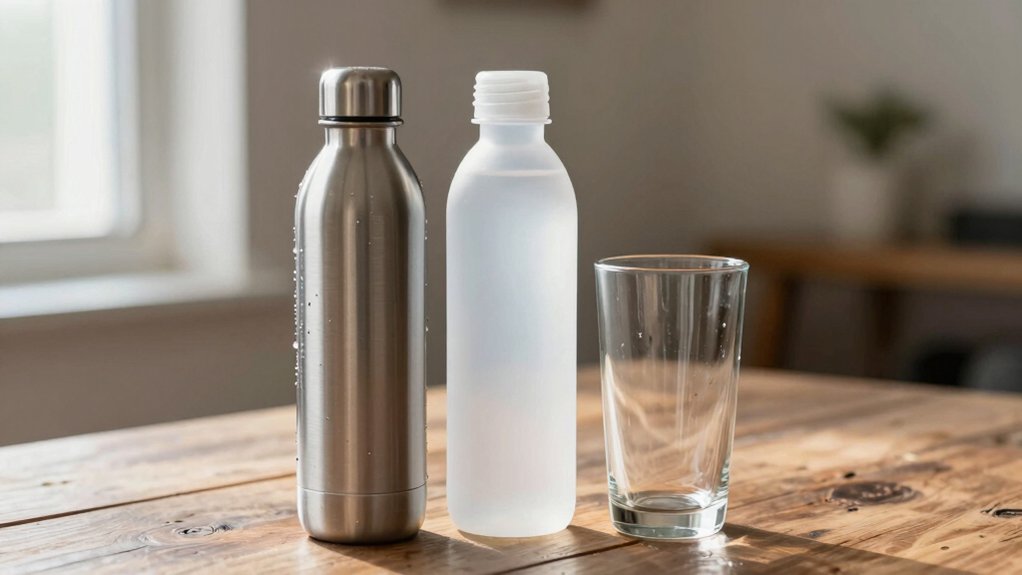
Choose stainless steel for top thermal retention, durability, and low odor absorption. It’s usually vacuum-insulated and leak-resistant. Pick glass when you want inert, taste-neutral interiors that are easy to inspect; however, it is less insulating and breakable. Choose plastic for light weight and low cost, knowing it can retain odors, scratch, and vary in BPA safety.
Clean lids and gaskets thoroughly. Sanitize appropriately for each material. Keep going and you’ll get detailed trade-offs and cleaning tips.
Quick Overview
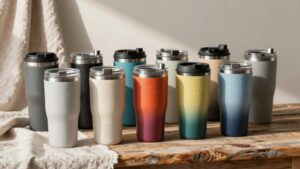
- Stainless steel (double-wall vacuum) offers the best thermal retention: approximately 12 hours hot and approximately 24 hours cold.
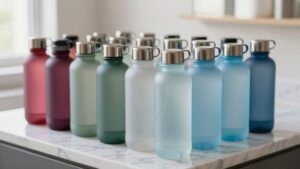
- Glass is inert and BPA-free; it resists odor and staining but provides poor thermal insulation and is fragile.
- Plastic bottles vary widely: they are lightweight and cheaper, but they are more prone to odors, stains, and potential BPA concerns.
- Leakproofness is highest with stainless steel and properly sealed glass. Plastics show variable results depending on design.
- Cleaning and hygiene favor glass and stainless steel. Plastics can retain odors and require gentler sanitizing to avoid damage.
Thermal Performance Comparison
How well will your bottle keep a drink at the desired temperature? You’ll rely on material, construction, and vacuum integrity. Stainless steel double-wall designs deliver the best thermal performance and maintain stainless durability under dents. Expect ~12 hours hot; 24 hours cold. Plastic and glass lack true vacuum layers, so they cool or warm faster and degrade performance with deformation or breakage.
| Material | Insulation Type | Typical Retention |
|---|---|---|
| Stainless steel | Double-wall vacuum | 12h hot / 24h cold |
| Plastic | Single-wall / basic foam | Poor; hours |
| Glass | Single-wall / borosilicate | Poor; faster warming |
| Exceptions | Single-wall steel, insulated plastics | Reduced performance |
Choose vacuum-insulated stainless for predictable thermal outcomes and long-term performance.
Leakproofness & BPA Notes
Frequently, the choice of bottle hinges on leakproof performance and chemical safety. A container that both seals reliably and resists leaching minimizes contamination risks and user inconvenience. You’ll evaluate materials by controlled leakproof testing and chemical assays for BPA concerns.
Stainless steel usually passes seal integrity checks and shows no BPA-related leaching when food-grade. Glass offers inert surfaces and predictable sealing but fails impact resistance tests. Plastic’s performance depends on cap design; many plastics historically raised BPA concerns. However, BPA-free polymers are common now.
- Stainless steel: high pass rate in leakproof testing; inherently BPA-free when 18/8 grade is used.
- Glass: inert, BPA-free, reliable seals if undamaged.
- Plastic: variable leakproof results; confirm BPA-free labeling.
Cleaning & Odor Retention
You’ll evaluate how each material accepts rigorous cleaning and whether design features let you access crevices for thorough sanitation.
Consider long-term odor absorption, stain resistance, and how lids, seals, and threads retain residue that complicates hygiene.
Finally, compare compatibility with common sanitizing methods (hot water, bleach, vinegar, dishwasher) to determine practical maintenance requirements.
Ease Of Thorough Cleaning
Because different materials respond differently to cleaning methods, you’ll want to match technique to bottle type to avoid residue, stains, or odor retention. You should set cleaning frequency based on use: daily rinses for all, with thorough scrub weekly for plastic and glass. Stainless steel tolerates more aggressive cleaning less frequently if interior is smooth.
Use narrow brushes or bottle-specific tools to access seams and caps. Glass interior is easiest to inspect visually but breaks if mishandled. Plastic can develop micro-scratches that trap residue buildup and require detergent plus periodic sanitizing. Stainless steel resists staining and bacterial harboring but needs gasket and lid disassembly for complete cleaning.
Evaluate design complexity. Wide mouths and simple lids markedly improve ability to achieve consistent, verifiable cleanliness.
Odor Absorption Over Time
How does material choice affect persistent odors in a bottle over months of use? You’ll find stainless steel, plastic, and glass differ quantitatively in odor adsorption kinetics and retention.
Stainless steel (food-grade 18/8) exhibits minimal adsorption due to non-porous, inert surfaces. You’ll rarely detect residual material taste after normal use and cleaning. Glass is similarly inert and resists long-term odor binding; however, surface scratches can marginally increase retention.
Plastic polymers present a higher affinity for volatile organic compounds. Repeated exposure to flavored beverages accelerates sorption and causes lingering odor that’s harder to remove.
Cleaning frequency, temperature, and detergent chemistry modulate these outcomes. Prioritize materials with high stain resistance and non-porous structure if you require minimal odor carryover over prolonged, repeated use.
Stain And Residue Resistance
Odor persistence often signals deeper staining and residue adhesion, so assessing stain resistance lets you predict long-term cleanliness and maintenance needs. You’ll find stainless steel exhibits superior stain durability: its nonporous, passivated surface resists adsorption and limits residue buildup. Contaminants remain superficial and clean off with minimal abrasion.
Glass is also nonporous and chemically inert, preventing long-term staining. However, its fragility increases the risk of microfractures that can trap residues over time. Plastics vary widely; low-grade polymers show higher stain susceptibility and absorb organic compounds, increasing odor retention and persistent residue buildup.
Quantitatively, expect stainless steel and glass to require less frequent deep cleaning than typical plastics. Your cleaning regimen should target material-specific vulnerabilities to maintain hygienic performance.
Lid And Seal Hygiene
Anyone who uses reusable bottles regularly should pay close attention to lid and seal hygiene, since these components concentrate moisture, residues, and microbes more than the bottle body. You’ll find lids and seals differ by material: stainless-steel caps have fewer crevices and resist odor adsorption; plastic lids can retain organic residues in threads; and silicone seals trap moisture if not fully dried.
For effective maintenance, inspect seal integrity regularly for tears, compression set, or embedded grime that compromise seals and promote microbial growth. Disassemble multi-piece lids where possible; mechanically remove biofilm with a small brush; and allow components to air-dry in a ventilated area.
Consistent attention to lid hygiene preserves functionality, minimizes odor retention, and reduces contamination risk.
Sanitizing Methods Compatibility
Why do some bottles smell despite regular washing? Microbial biofilms form in crevices, threads, and seals where detergent and water don’t penetrate. You’ll need targeted sanitizing.
Stainless steel tolerates hot-water sanitization, boiling, and diluted bleach; it’s dishwasher safe and resists odor adsorption. Glass accepts the same thermal and chemical methods but risks breakage under thermal shock. It’s also dishwasher safe when rated.
Many plastics tolerate mild heat and chemical sanitizers, but porous or lower-grade polymers retain oils and odors and can deform. Avoid aggressive methods on non-dishwasher safe plastics. Use non-microfiber brushes or dedicated bottle brushes to mechanically remove biofilm.
Validate sanitation with periodic vinegar or dilute bleach soaks; then rinse thoroughly and air-dry completely.
Frequently Asked Questions
Are Stainless Steel Bottles Safe for Use With Carbonated Drinks?
Yes, you can use stainless steel for carbonated drinks safely. Stainless carbonation performs well because food-grade stainless resists corrosion and contains pressure from carbonation without leaching chemicals.
For safety carbonation, ensure the bottle and cap are rated for pressurized beverages; vacuum-insulated or threaded-seal designs work best. Avoid thin-walled or non-pressure-rated models. Check manufacturer specs, and release pressure slowly after shaking to prevent sprays or deformation.
Can I Put Boiling Water in a Glass Bottle?
Yes, you can put boiling water in a glass bottle only if the bottle’s glass durability and heat tolerance are rated for thermal shock and high temperatures.
Check manufacturer specs for tempered or borosilicate glass; those handle rapid temperature changes and boiling water safely. Regular soda-lime glass often lacks sufficient heat tolerance and can crack or shatter from thermal stress. Always preheat or pour slowly to reduce shock risk.
Do Stainless Steel Bottles Affect Alkaline or pH Balance?
No, stainless steel bottles don’t substantially alter your water’s pH; they maintain pH neutrality under normal use. You’ll observe negligible stainless interaction because food-grade 18/8/304 stainless resists corrosion and won’t leach ions that shift alkalinity.
If you expose poorly finished or damaged metal to extreme conditions, minor surface reactions could occur; however, routine drinking, boiling, or chilling won’t meaningfully change water alkalinity or pH balance.
Are Insulated Bottles Allowed on Airplanes in Carry-On Luggage?
Yes, you can bring insulated bottles in carry-on luggage. However, you’ll face airplane restrictions for filled containers. Security screens liquid volume per TSA/ICAO rules; therefore, empty insulated carry-ons pass. Filled bottles over 100 mL (3.4 oz) will be prohibited through screening.
You should empty and present bottles for inspection or refill post-screening. Airlines may have specific cabin stowage rules, so verify carrier policies before boarding.
How Do Repairability and Spare Parts Availability Compare?
Repairability varies: stainless steel offers the best repair parts and spare availability. You’ll find replacement lids, seals, and caps with clear compatibility logistics.
Plastic bottles have limited repairability measures; gaskets and caps are sometimes available, but variants reduce interchangeability.
Glass has the poorest spare availability. Broken bottles are typically replaced rather than repaired. You’ll want to prioritize models with documented parts lists and standardized fittings to simplify future repairs.
Conclusion
You’ve seen how stainless steel, plastic, and glass perform across thermal retention, leakproofing, and hygiene. Choose stainless steel for superior insulation and durability; pick glass if you want inert, stain-resistant storage but accept fragility. Select quality plastic only for lightweight convenience and cost, knowing odor and staining risks.
Prioritize lids with reliable seals and materials compatible with high-temperature sanitizing. Match bottle choice to your thermal needs, cleaning habits, and long-term maintenance capabilities.
You may also like: Water Bottles And Hydration Bladders — a related guide worth bookmarking.