Uv Water Disinfection How It Works
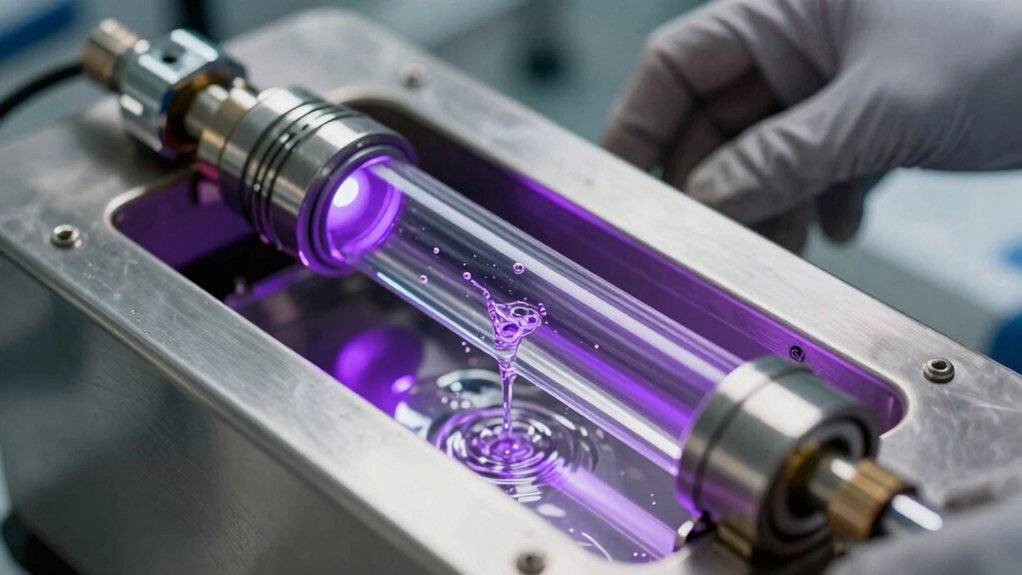
You use ultraviolet (UV) light to inactivate bacteria, viruses, and protozoa by exposing flowing water to a calibrated UV dose in a reactor, so microbes can’t replicate. Effectiveness depends on dose, exposure time, water clarity, and lamp output; therefore, sensors, pretreatment, and periodic lamp/sleeve maintenance are essential.
Monitor UV intensity, clean quartz sleeves, and replace lamps on schedule to maintain validated performance. Keep going to see practical setup, dosing, and maintenance steps.
Quick Overview
- UV disinfection uses ultraviolet light (typically UV-C) to damage microorganisms’ DNA/RNA, preventing replication and infection. A UV lamp or LED inside a reactor exposes flowing water to a validated UV dose for effective pathogen inactivation.
- Water clarity and pretreatment matter because particles or contaminants reduce UV transmission and lower disinfection efficacy. System monitoring (UV sensors, timers) and regular lamp/sleeve maintenance ensure the delivered UV dose remains above validated thresholds.
- Dose selection and validation depend on target pathogens, flow rate, and water quality. This is confirmed using indicator organisms and testing.
UV Dose Comparison Table
How much UV you need depends on the water’s use and quality: the table below summarizes target doses—from about 16 mJ/cm² for low-risk rainwater up to 50–150 mJ/cm² for broad pathogen control—alongside the expected log reductions and key pathogens addressed.
You’ll choose UV Dose based on Pathogen Focus and water clarity: lower doses (≈16 mJ/cm²) suit clean rainwater; 30–40 mJ/cm² covers process and many drinking-water targets with conservative virus credit. Doses of 50–150 mJ/cm² are for broad-spectrum control including resistant spores and protozoa. Match dose to flow, lamp intensity, and pretreatment; validate with indicator organisms. Use sensors and periodic testing to confirm delivered dose and maintain regulatory credits.
| Target Dose | Typical Pathogen Focus |
|---|---|
| 16–30 mJ/cm² | Low-risk bacteria, basic viruses |
| 40–150 mJ/cm² | Viruses, Giardia, Cryptosporidium, spores |
Lamp Replacement Interval
Selecting the correct UV dose is only part of reliable disinfection; you also need to replace lamps on a strict schedule to ensure that dose is actually delivered. You should base lamp replacement on manufacturer hours, measured output decline, and system alerts rather than calendar guesses.
Regular lamp replacement preserves ultraviolet longevity and keeps photon flux near design levels.
- Track cumulative lamp hours with your controller.
- Replace lamps before output drops below validated dose thresholds.
- Use sensors to confirm real-time intensity and trigger maintenance.
- Keep replacement lamps matched to system specs and emission curves.
- Log each lamp change and test post-replacement UV intensity.
Following a documented lamp replacement protocol prevents microbial breakthrough and maintains validated disinfection performance.
Quartz Sleeve Cleaning Interval
You should clean quartz sleeves on a regular schedule, typically every 3–6 months or sooner if water quality is poor, to maintain the required UV dose. Watch for signs of fouling like visible scaling, reduced sensor intensity, or rising turbidity.
Follow manufacturer-safe procedures: use a soft cloth, mild non-abrasive detergent, and vinegar or citric acid solutions while avoiding abrasive pads, strong acids, or solvents that can scratch or etch the sleeve. Neglecting proper cleaning or using harsh materials will lower UV transmission and reduce disinfection efficacy.
Document intervals and sensor readings to confirm restored performance.
Recommended Cleaning Frequency
When should you clean the quartz sleeve protecting the UV lamp? You should schedule cleaning based on water quality and manufacturer guidance: typically every 6–12 months for clear, pre-filtered water and every 3–6 months if hardness, iron, or organics are present.
Inspect sleeves during routine system maintenance and after any turbidity spikes. Use mild, nonabrasive cleaners and follow lamp-cooldown procedures to avoid damage. Proper intervals preserve UV transmittance, maintain target dose delivery, and prevent increased power draw that harms energy efficiency.
Log cleaning dates and transmittance or sensor readings to refine frequency empirically for your system. If you operate in high-deposition environments, shorten intervals and coordinate with your supplier for validated cleaning protocols.
Signs Of Quartz Fouling
Following the cleaning schedule you set, watch for clear indicators that the quartz sleeve needs attention. You’ll notice gradual UV intensity decline on sensors or increased alarm frequency despite lamps operating; this indicates fouling reducing transmissible UV-C.
Cloudy or discolored sleeve appearance, deposit rings at waterline, and higher log reductions required to meet target doses are measurable signs. Frequent flow-rate anomalies or unexplained rises in required fluence point to sleeve obstruction rather than an irrelevant topic like lamp age alone.
Don’t confuse lamp degradation, an unrelated concept, with surface fouling: lamps can output nominally but still be blocked by scale or biofilm. Track lamp hours, sensor readings, and visual inspections to define cleaning intervals objectively.
Safe Cleaning Procedures
How often should you clean the quartz sleeve to keep UV output reliable? You should inspect sleeves monthly and perform safe cleaning every 3–6 months, adjusting for turbidity, water chemistry, and biofilm history. If your system runs in high-particulate or iron-rich water, shorten intervals to quarterly or after any performance alarm.
During cleaning, follow manufacturer procedures. Shut down power and remove the sleeve carefully to avoid breakage. Use appropriate, non-abrasive cleaners and soft cloths to restore transmissivity without scratching quartz.
After reassembly, verify UV intensity with built-in sensors or a calibrated meter and log results. Establish simple maintenance logs and two word discussion ideas: “inspect frequency” to guide decisions and demonstrate compliance with operational best practices.
Cleaning Materials To Avoid
Which cleaning agents should you avoid to protect quartz sleeve transmissivity and lamp life? Don’t use abrasive pads, metal brushes, or scouring powders; they scratch quartz and create microfractures that reduce UV transmission. Avoid strong acids (concentrated hydrochloric or sulfuric) and caustic alkalis (sodium hydroxide) because they etch surfaces and can weaken seals.
Never apply bleach or oxidizers directly; they leave residues and degrade lamp components. Solvent-based cleaners (acetone, toluene) can damage O-rings and labels. Use manufacturer-recommended mild non-abrasive cleaners and soft lint-free cloths instead.
Note that discussing precise performance loss is an irrelevant topic here; the focus remains on safe materials. Don’t turn this into an unneeded focus on lamp failure modes; stick to compatible cleaning agents and intervals.
Effects On UV Performance
After you’ve used the right cleaners and tools, keep a regular quartz sleeve cleaning schedule because deposits and biofilm rapidly reduce UV transmissivity and system dose.
You should inspect sleeves visually and with UV intensity readings; even thin films can cut transmissivity by 10–30%. This reduction lowers UV performance below target dose. Clean based on fouling rate: hard-water scale, iron staining, and biological growth each require specific agents to avoid sleeve damage.
Proper cleaning restores lamp output, reaching the target irradiance. It also preserves lamp longevity by preventing overdriving to compensate for loss, and reduces stress on ballast and controls.
If you ignore fouling, lamps will appear weak; systems may trigger alarms, and disinfection effectiveness will fall. Act promptly to maintain validated performance.
Recordkeeping And Scheduling
When should you schedule quartz sleeve cleaning and keep records? You should plan cleaning based on measured UV intensity decline, water quality, and manufacturer guidance. Establish recordkeeping practices that log lamp hours, UV sensor readings, sleeve inspections, cleaning dates, and actions taken.
Use scheduling considerations such as peak turbidity events, seasonal load changes, and lamp end-of-life to set intervals; commonly every 3–12 months for typical municipal systems, but adjust for fouling rates. Record data digitally with timestamps and responsible operator ID to enable trend analysis and regulatory audits.
Review logs monthly to detect gradual intensity loss or sudden drops indicating sleeve fouling or lamp failure. Clear, consistent records plus adaptive scheduling maintain required UV dose and validated disinfection performance.
Frequently Asked Questions
Can UV Systems Remove Chemical Contaminants Like Pesticides?
No, UV systems won’t reliably remove chemical contaminants like pesticides. You can use UV degradation to break down some organic compounds; however, effectiveness varies widely by compound, dose, and reactor design.
You’ll often need advanced oxidation (UV combined with peroxide/ozone) for meaningful pesticide removal. Also, factor mercury containment when using low-pressure lamps. Robust lamp handling and disposal policies prevent mercury release while you pursue appropriate treatment trains.
Does UV Treatment Affect Water Taste or Odor?
No, UV treatment won’t change water taste or odor because it inactivates microbes without adding chemicals. You’ll maintain organoleptic qualities while improving microbiological safety for kids and others.
If taste or odor persist, they are likely from dissolved chemicals, metals, or organic matter that UV won’t remove; you will need activated carbon or other treatment steps. Regular maintenance keeps UV performance reliable and ensures ongoing safety for kids.
Are UV Systems Safe to Operate Around Children and Pets?
Yes, you can operate UV systems safely around children and pets with proper precautions. For safe operation, keep lamps enclosed in their reactor and quartz sleeve; secure access panels, and follow manufacturer maintenance schedules.
Child safety includes mounting units out of reach, using tamper switches, and avoiding direct UV-C exposure. Wear PPE for servicing, monitor sensors, and install warning labels to prevent accidental lamp exposure.
How Do Power Outages Affect UV Disinfection Performance?
Power outages immediately stop UV disinfection, so your water isn’t being treated during downtime. You’ll need backup power or automatic restart protocols to maintain continuous effectiveness.
For outdoor installation, shield controls and lamps from weather and use surge protection. Coordinate maintenance scheduling to check lamps, sleeves, and sensors after outages. Verify UV intensity before resuming use. Regular testing confirms dose recovery and prevents unnoticed lapses in disinfection.
Can Well Water Hardness Reduce UV Effectiveness?
Yes, well water hardness can reduce UV effectiveness. Hardness impact comes from scale and mineral deposits (calcium, magnesium) forming on quartz sleeves and reactor surfaces. This can scatter or block UV-C and lower dose delivery.
You should monitor and clean sleeves regularly. Additionally, use water softening or anti-scaling pretreatment, and verify UV intensity with sensors. Those steps maintain the required UV dose and reliable inactivation performance for your well water system.
Conclusion
To keep your UV system working reliably, stick to scheduled lamp replacement and regular quartz sleeve cleaning based on your system’s UV dose data and fouling signs. Track lamp hours, cleaning dates, and performance checks in a simple log so you can spot declines quickly.
Use only recommended cleaning materials and follow safe procedures to avoid damage. Consistent maintenance preserves UV intensity; ensures disinfection efficacy; and reduces costly failures or health risks.
You may also like: Portable Uv Water Purifiers — a related guide worth bookmarking.