How Much Water Should You Drink a Day Myth Vs Reality
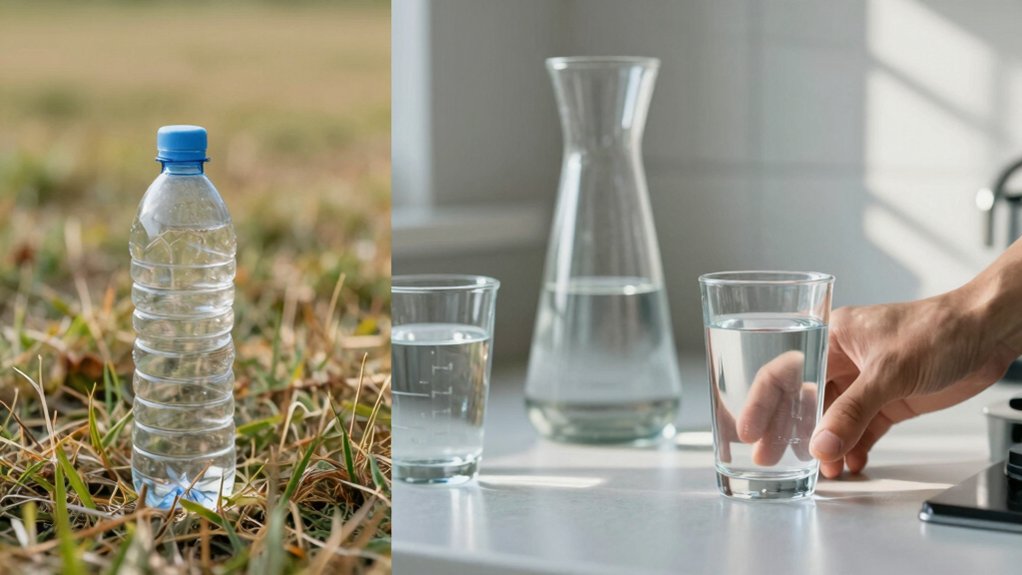
The “8 glasses” rule is a simple starting point, not a strict law.
Aim for about 2.2–3.7 liters (roughly 9–13 cups) of total fluids daily, including foods.
Increase that with exercise, heat, pregnancy, or illness.
Caffeinated drinks count for most people; however, sensitivity and some medications can change needs.
Watch thirst, urine color, weight, and symptoms to personalize intake.
Keep going for practical tips on timing, caffeine effects, and medication interactions.
Quick Overview
- There is no single magic number. 2.2–3.7 L/day (including food) is a reasonable starting range for most adults.
- “8 glasses a day” is a simple rule; individual needs vary with body size, activity, and climate.
- About 20% of daily fluid comes from food. Therefore, drinking totals should account for watery foods.
- Caffeinated drinks usually count toward hydration; habitual caffeine rarely causes significant net fluid loss.
- Use thirst and urine color as practical, personalized cues. Increase fluids with exercise, heat, or illness.
Daily Fluid Intake Chart
Wondering how much you should actually drink each day? You’ll see official ranges rather than a one-size-fits-all number. That helps debunk hydration myths and frames sensible water intake. Use the table below as a simple reference, remembering food provides ~20% of fluids and activity or heat raises needs.
| Population | Daily fluid (approx) | Source |
|---|---|---|
| Men (19+) | 13 cups / 3.7 L | National Academy of Medicine |
| Women (19+) | 9 cups / 2.7 L | National Academy of Medicine |
| General baseline | 73–100 oz / 2.2–3.0 L | Consensus guidance |
Treat these values as starting points. If you’re active, pregnant, or in heat, increase intake.
Listen to thirst and monitor urine color for personalized cues.
Hydration Targets by Age
How much water you need changes across the lifespan because body size, kidney function, activity level, and metabolism all shift with age. You’ll want age appropriate targets rather than one-size-fits-all rules or hydration myths like “8×8” for everyone. Use urine color, thirst, and routine needs as practical guides.
- Children: Smaller bodies need proportionally less. Encourage regular sipping; milk and food fluids count. Watch for rapid losses with fever or activity.
- Adults: Follow total fluid advice (about 2.2–3.0 L/day from foods and drinks for most). Increase with exercise or heat; monitor urine and symptoms.
- Older adults: Kidney concentration declines. Remind and schedule fluids; watch medications that alter balance.
Adjust targets for health conditions and activity.
Caffeine and Diuretics Effects
Caffeine is a mild diuretic for some people, but most habitual coffee or tea drinkers don’t lose net fluid; those beverages still count toward your daily intake. Your sensitivity varies: age, genetics, medications, and recent hydration all affect how much caffeine changes urine output.
Caffeine’s Mild Diuretic
Curious whether your morning coffee is undoing your hydration? Short answer: usually not. Moderate caffeine doses cause mild diuretic mechanisms that transiently increase urine output; however, habitual consumers develop tolerance. If you have high caffeine sensitivity, you may notice stronger effects and should monitor intake.
Most caffeinated beverages still contribute to daily fluid totals, so they’re not purely dehydrating. Practical steps: track how you feel, sip water alongside coffee, and avoid large amounts if you’re sensitive or exercising in heat. Clinically, significant fluid loss from typical caffeine intake is uncommon; exceptions include very high doses or certain medications.
Be kind to yourself. Small adjustments usually keep you well hydrated.
Individual Sensitivity Variations
Why might two people drinking the same cup of coffee feel different effects? Genetic factors, habitual caffeine use, body size, medications, and kidney function all shape individual sensitivity to caffeine’s mild diuretic effect.
If you’re caffeine-naïve, a single cup can raise urine output and make you notice thirst. Regular consumers develop tolerance that blunts that response. Certain drugs (diuretics, stimulants) or medical conditions amplify fluid losses; so you’ll need to watch intake more closely.
Monitor urine color, thirst, and body weight changes rather than counting cups: those give practical signals of your hydration balance. Adjust fluids around caffeinated beverages when you notice increased urine or lightheadedness. Discuss persistent symptoms with your clinician for tailored advice.
Beverage Water Contribution
You’ve already seen how caffeine sensitivity and medications change how beverages affect your fluid balance. That also shapes how much drinking coffee, tea, or soda actually contributes to your daily water intake. Studies show moderate caffeine doses have minimal net diuretic effect in habitual users; so those drinks still count as beverage water for most people.
That said, if you’re unusually sensitive, on diuretics, or dehydrated, caffeine can increase urine output, and you shouldn’t rely on it alone. Alcohol and some medications cause meaningful fluid loss; so treat them differently. Don’t buy into hydration myths that say only plain water hydrates: variety matters.
However, do tailor choices to your meds, tolerance, and activity so your fluid plan actually works for you.
Timing And Hydration Balance
How should you time fluids, and caffeine or diuretics, to keep your hydration steady? You don’t need to fear caffeine, but you should plan intake. Moderate caffeine (up to 400 mg daily for most adults) produces a small diuretic effect only in people who aren’t regular consumers; habitual users develop tolerance, so everyday coffee usually won’t cause net fluid loss.
Still, spread caffeinated drinks through the day and pair them with water, especially around exercise or heat exposure. If you take prescribed diuretics, follow your clinician’s timing to avoid overnight disruptions.
Beware timing myths that say any caffeine causes dehydration; evidence doesn’t support that. Focus on regular sips, urine color, and context to maintain hydration balance.
Medications And Interactions
When taking medications or relying on caffeine, what you drink and when you drink it can change how drugs work and how your body handles fluid. You should discuss medication timing with your clinician because some drugs, like certain antibiotics or thyroid meds, absorb poorly with food or beverages.
Caffeine is a mild diuretic for some people and can increase urine output transiently; it may amplify diuretic prescriptions’ effects and affect hydration status. Be mindful of drug diet interactions: salty diets, alcohol, and herbal teas can alter fluid balance and medication efficacy.
Practical steps include following label instructions, avoiding large boluses of caffeine around dosing, monitoring weight and urine, and reporting dizziness or swelling. Your clinician can tailor guidance to your meds and lifestyle.
Frequently Asked Questions
Can Drinking Too Much Water Be Harmful?
Yes, drinking water can be harmful in excess. You can dilute blood sodium (hyponatremia) if you drink very large volumes quickly, causing nausea, confusion, seizures, or worse. Most people won’t reach that level; however, risks rise with intense exercise, certain medications, or kidney problems.
Balance fluid intake with thirst. Monitor urine color and consult your clinician if you have medical issues that affect fluid handling.
Does Water Intake Affect Weight Loss Success?
Yes, drinking more water can help your weight loss, but it’s not a magic fix. You’ll reduce calorie intake when you replace sugary drinks, and you often eat less if you drink before meals; that counters common weight loss misconceptions.
Time hydration strategically: water before and around meals can boost satiety and metabolism. Be consistent, individualized, and compassionate with progress. Combine hydration with diet quality and activity for best results.
How Much Water During Pregnancy or Breastfeeding?
Aim for about 2.3–3.1 liters daily when pregnant and roughly 2.7–3.8 liters when breastfeeding; adjust for activity and climate.
You’ll prioritize pregnancy hydration and hydration safety by sipping throughout the day, drinking with meals, and noting urine color. If you have preexisting conditions, check with your clinician.
Small, frequent fluids plus water-rich foods usually meet needs and support milk production while protecting maternal and fetal health.
Are Sports Drinks Necessary for Regular Exercise?
No, You Don’t Usually Need Sports Drinks for Regular Exercise. For Most Activities Under an Hour, You’ll Stay Fine with Water; You’re Maintaining Sports Hydration and Electrolyte Balance Through Normal Meals and Fluids.
If You Exercise Intensely Over an Hour, in Hot Conditions, or Sweat Heavily, Consider a Drink with Electrolytes and Carbs. Listen to Your Body; Hydrate Before and After, and Choose Options that Suit Your Tolerance and Goals.
Does Bottled Versus Tap Water Change Hydration Quality?
No, bottled versus tap water doesn’t change hydration quality; both hydrate you equally. You should know bottled water myths often overstate purity and health benefits.
Tap water advantages include lower cost, environmental benefits, and strict regulation in many places. If your tap taste or safety concerns you, use a certified filter.
Drink to thirst and your activity needs. The source won’t alter basic hydration.
Conclusion
You don’t need a single magic number; aim for fluid balance that fits your age, activity, climate and meds. Use the daily fluid chart and age targets as starting guides. Factor in caffeine’s mild diuretic effect and your personal sensitivity. Count water from beverages and food.
Time fluids around activity and medications to avoid overload or gaps. Stay attentive to thirst, urine color, and symptoms. Adjust your intake based on evidence, practicality, and what feels right for you.
You may also like: How To Hydrate — a related guide worth bookmarking.