Oral Rehydration Solution Vs Sports Drink Difference
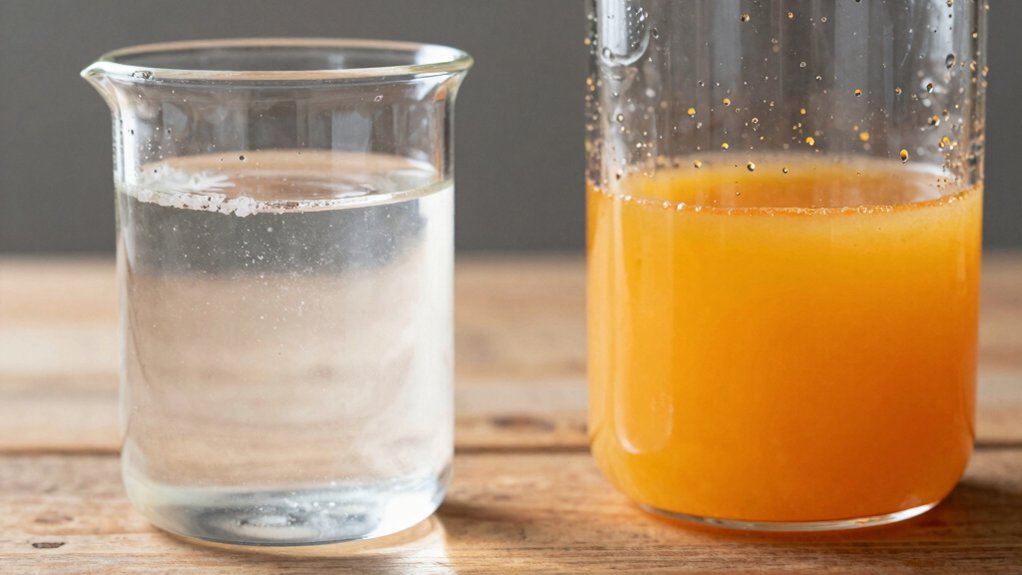
You should choose an oral rehydration solution for illness-related dehydration because it’s formulated with about 75 mmol/L sodium, modest potassium, low carbohydrate (2–3%), and lower osmolarity to optimize sodium–glucose–mediated fluid absorption.
Sports drinks have much less sodium (~18–23 mmol/L), higher sugar (6–10%), and higher osmolarity; this can slow absorption and worsen diarrheal losses. Use ORS for vomiting or diarrhea. Sports drinks are only for prolonged exercise — more practical guidance follows.
Quick Overview
- ORS has lower osmolarity (~235–260 mOsm/L) than sports drinks (~355 mOsm/L); this aids faster intestinal absorption.
- ORS contains much more sodium (~75 mmol/L) and potassium (~20 mEq/L) than typical sports drinks.
- Sports drinks have higher carbohydrate (5.9–10%) versus ORS (2–3.4%); this can slow rehydration during illness.
- Use ORS for illness-related dehydration and infants. Use sports drinks primarily for prolonged exercise.
- Homemade ORS (1 L water, 6 tsp sugar, 1/2 tsp salt) is a temporary alternative when commercial ORS is unavailable.
Electrolyte & Osmolarity Table
How do ORS and sports drinks actually differ in electrolyte load and osmolarity? You’ll note ORS delivers much higher sodium and potassium, lower carbohydrate, and lower osmolarity than typical sports drinks: this favors rapid absorption and corrects infant electrolyte deficits and dehydration signs more effectively in illness.
Use clinically: ORS ~235–260 mOsm/L; sports drinks ~355 mOsm/L. Visualize the contrast:
| Parameter | Typical Value |
|---|---|
| Sodium | ORS high (~75 mmol/L) vs sports low (~18–23 mEq/L) |
| Potassium | ORS ~20 mEq/L vs sports ~3–5 mEq/L |
| Carbohydrate | ORS 2–3.4% vs sports 5.9–10% |
| Osmolarity | ORS 235–260 mOsm/L vs sports ~355 mOsm/L |
Choose ORS for illness-related dehydration. Sports drinks suit prolonged exercise.
Homemade ORS Recipe Proportions
Want to prepare a simple, effective oral rehydration solution at home? Use precise proportions: 1 liter of clean water, 6 level teaspoons (24 g) sugar, and 1/2 teaspoon (2.5 g) salt. This homemade ORS approximates clinical osmolarity and supports electrolyte balance via the sodium‑glucose co-transport mechanism. It promotes rapid absorption.
Follow these cautions: measure accurately, discard if cloudy, and seek medical care for severe dehydration. Homemade ORS can be an evidence-based interim therapy when commercial ORS is unavailable.
You’ll feel reassured knowing you used a tested ratio. You’ll avoid excessive sugar that impairs absorption. You’ll restore salts deliberately, not guesswork.
Keep records of intake and consult health professionals for ongoing needs.
Rehydration for Infants Guidance
When an infant has vomiting, diarrhea, signs of decreased urine output, or persistent fever, you’ll typically use an age-appropriate oral rehydration solution rather than a sports drink. Prepare ORS exactly as directed; commercial pediatric ORS is preferred. If homemade, follow precise recipes and use clean water and utensils.
Watch for dehydration signs: sunken eyes, dry mucous membranes, reduced wet diapers, lethargy. Consider infants’ low sodium and fluid needs when replacing losses. For bottle-fed babies, offer small, frequent amounts of ORS or continue usual feeds as tolerated. Seek medical care if they can’t keep fluids down or show moderate-to-severe dehydration.
When To Use ORS
Why choose ORS for an infant with dehydration? You should use ORS when an infant shows signs of dehydration: reduced urine, dry mouth, lethargy, sunken eyes, or fontanelle. This is especially important after diarrhea or vomiting. Clinical guidance endorses ORS for mild to moderate dehydration because its sodium–glucose formulation promotes rapid absorption and electrolyte restoration.
Use ORS instead of sports drinks in illness, fever, or failure to tolerate breast/formula feeds. Offer small, frequent volumes and seek immediate care for severe signs: persistent vomiting, high fever, decreased consciousness, or poor skin perfusion.
Parents may raise two word discussion ideas or mention an unrelated topic, but clinicians focus on symptoms, intake, and response. If in doubt, contact pediatric care promptly for assessment and dosing advice.
Safe Preparation Steps
After you’ve recognized dehydration signs and begun small, frequent ORS offers, prepare the solution carefully to ensure safety and efficacy. You’ll use manufacturer instructions or WHO formula; measure powder or salts and water precisely. Don’t dilute or concentrate. Use boiled, cooled, or sterile water for infants; cool to feeding temperature.
Discard unused prepared ORS after 24 hours. Offer small sips frequently with a spoon, syringe, or cup appropriate for age. Avoid homemade sugary drinks, sports drinks, or mixing with milk. Record volumes given and watch for response.
Keep preparation surfaces clean to prevent contamination. This clinical guidance focuses on rehydration; avoid unrelated topic or off-topic discussion that might undermine adherence or safety.
Signs Of Dehydration
How will you know if an infant is dehydrated? Check for reduced urine output (fewer than six wet diapers per day for young infants), dry mucous membranes, sunken eyes or fontanelle, and lethargy or irritability. You may notice poor skin turgor when the skin doesn’t return promptly after a gentle pinch.
Fast breathing or tachycardia can accompany significant fluid loss. Vomiting or frequent watery stools raise risk; weigh changes are objective evidence when available. Avoid treating based on unrelated discussion or assuming symptoms stem from an irrelevant topic; focus on measured signs.
If you observe any of these clinical indicators, start age-appropriate oral rehydration per guidance and seek prompt medical evaluation for moderate or severe dehydration.
Electrolyte Needs Infants
Noting the signs of dehydration you just checked, you should also consider infants’ specific electrolyte needs when rehydrating. Young bodies have a higher body-water percentage and different sodium and potassium requirements than adults.
For infant electrolyte replacement, use medical-grade oral rehydration solutions formulated for pediatric physiology; they provide higher sodium and appropriate glucose-sodium ratios to promote rapid absorption and safe plasma osmolality. Avoid sports drinks for illness-related dehydration because their lower sodium and higher sugar can worsen fluid-electrolyte imbalance.
Follow dosing guidelines for mild to moderate dehydration and monitor output, mental state, and skin turgor. For dehydration prevention during illness or heat exposure, offer small, frequent ORS volumes rather than ad libitum sweetened beverages and seek medical care if symptoms persist.
Bottle Feeding Tips
Wondering how to safely use bottle feeding to rehydrate an infant? You should prioritize small, frequent feeds using an appropriate oral rehydration solution (ORS) rather than sports drinks.
Follow established bottle feeding routines: offer 5–15 ml every 1–2 minutes for very young or vomiting infants, increasing as tolerated. Monitor output, weight, and mucous membranes to assess response.
Maintain clear caregiver communication about volumes given, timing, and any vomiting or reduced urine. Use plain, measured bottles and discard unused ORS after recommended time.
Avoid sweetened sports drinks for illness-related dehydration because of inappropriate sodium and sugar content. Seek medical review if dehydration signs persist, if the infant refuses feeds, or if lethargy or fever develops.
Frequently Asked Questions
Are Sports Drinks Safe for Toddlers Under Two Years Old?
No, you shouldn’t give sports drinks to toddlers under two years old. They aren’t safe for that age and aren’t recommended for early hydration. Clinical guidance favors oral rehydration solutions designed for infants when treating dehydration from illness.
Sports drinks have higher sugars and lower appropriate electrolytes for young children. If your toddler shows signs of dehydration, consult a pediatrician promptly for age-appropriate rehydration and monitoring.
Can ORS Help Prevent Heat Stroke During Intense Exercise?
Yes, ORS can reduce OR dehydration risk during intense exercise by improving water and electrolyte absorption via sodium-glucose co-transport. This aids heat management. You’ll absorb fluids faster than with many sports drinks; this helps prevent progression toward heat illness.
However, for prolonged high-intensity exercise, you may still need additional carbohydrates for performance. Monitor symptoms, drink adequate volumes, and combine ORS with cooling and rest for best heat-stroke prevention.
Do Sports Drinks Interfere With Diabetes Medications?
Yes, sports drinks can affect your diabetes meds and blood sugar. Sports diabetics should watch carbohydrate content because high sugars may raise glucose, alter insulin dosing, and interact with oral agents.
Medication interactions are indirect via glycemic changes rather than drug-drink chemistry. For sports drink safety, choose low-sugar options and monitor glucose.
With toddlers, prioritize pediatric hydration solutions (ORS) and consult your clinician for tailored advice.
How Long Can You Store Prepared ORS at Room Temperature?
You can store prepared ORS at room temperature for up to 24 hours. Beyond that, follow ORS storage and room temperature guidelines; discard the solution. If you need longer storage, refrigerate and use within 48 hours.
Always use clean containers, label preparation time, and discard if the solution looks cloudy or has an off odor. These evidence-based, clinical recommendations minimize microbial growth and preserve electrolyte balance for safe oral rehydration.
Can Mixing ORS and Sports Drinks Be Beneficial?
Yes, an ORS mix combined with a sports drink blend can be beneficial in select situations; however, you should be cautious. You’ll gain additional carbohydrates for performance while retaining higher electrolytes for rehydration. Yet, sugar and sodium concentrations can become nonoptimal.
Use measured ratios guided by clinical recommendations or a pharmacist. Avoid in young children or severe illness without medical advice, and monitor for hypernatremia or excess calories.
Conclusion
When choosing between oral rehydration solutions and sports drinks, use ORS for dehydration, especially in infants and young children, because it has the correct electrolyte balance and osmolarity proven to promote safe, effective fluid and sodium absorption.
Sports drinks can help replace fluid and some electrolytes during mild exertion; however, they aren’t appropriate for clinical dehydration. Follow safe preparation and administration steps. Watch for dehydration signs, and seek medical care promptly for infants or if vomiting or diarrhea is severe.
You may also like: Electrolytes And Why They Matter — a related guide worth bookmarking.