What Are Vocs in Drinking Water
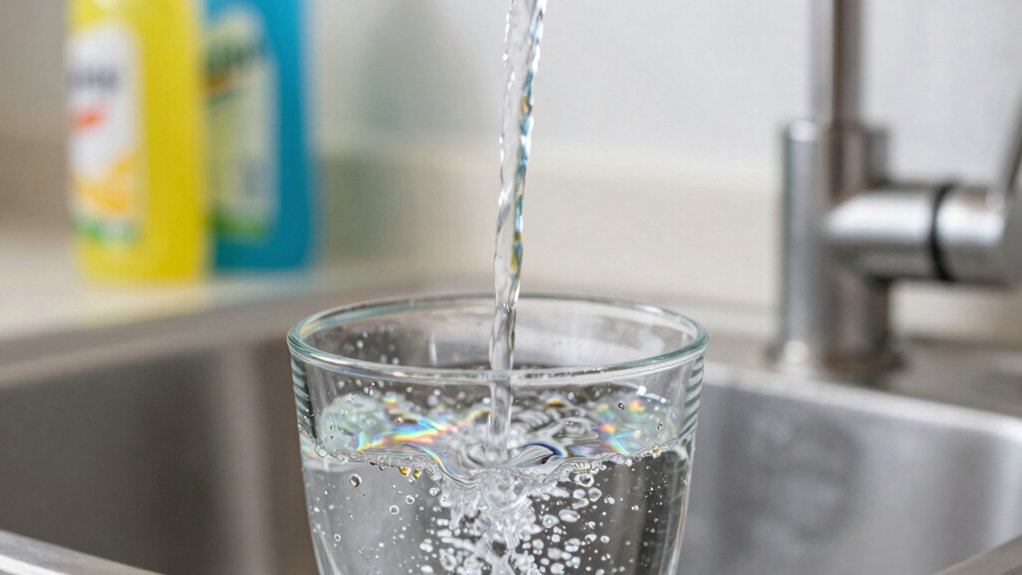
VOCs in drinking water are volatile organic compounds: man-made or natural chemicals that can dissolve into your water from fuels, solvents, industrial processes, or household products. They’re monitored because some, like benzene, TCE, and PCE, pose health risks at low levels and have strict EPA limits.
You’ll see them detected infrequently, but with occasional exceedances. Systems test and treat where needed, and records guide actions. Keep going to find specifics on compounds, limits, and testing.
Quick Overview
- VOCs are volatile organic compounds: chemicals that can evaporate and sometimes contaminate drinking water.
- Common VOCs include benzene, TCE, PCE, dichloromethane, MTBE, and disinfection byproducts like THMs.
- VOCs enter water from industrial spills, solvents, fuel leaks, runoff, improper disposal, and some household products.
- Long-term or high-level VOC exposure can cause health effects; sensitive populations are at greater risk.
- Water testing and treatment (e.g., activated carbon, air stripping) reduce VOCs. This is guided by regulatory limits and monitoring.
VOC Concentrations by Compound
Concentrations of specific VOCs vary widely by compound and source. They can exceed health-based benchmarks even when most samples show low levels. You should expect benzene, TCE, PCE, dichloromethane, and THMs to dominate detections; each shows distinct concentration ranges and occurrence patterns. National data report infrequent but significant exceedances: about 1.2% of domestic wells.
So, you’ll prioritize targeted testing when sources suggest risk. Plan sampling intervals based on source vulnerability and compound persistence; more frequent for shallow wells near fuel sites, less for protected public systems. Consider detection limits (commonly 0.5 μg/L) and documented exceedances when interpreting results. Remember VOC health effects guide action levels and remediation priorities.
| Compound | Typical Concern |
|---|---|
| Benzene | Fuel spills |
| THMs | Disinfection byproducts |
EPA MCLS Quick Table
Having identified which VOCs are most likely to occur and where you’d prioritize testing, you now need a concise reference for regulatory limits: the EPA’s Maximum Contaminant Levels (MCLs) list numeric caps and enforceable standards for selected VOCs in public water systems.
Use a quick table to compare compound, MCL (mg/L), health goal (MCLG), and typical source so you can interpret lab results quickly.
Two word discussion ideas help you frame brief notes; avoid subtopic irrelevant: regulatory milestones or testing logistics here. Keep entries evidence-based and cite EPA values when reporting limits.
- Benzene — 0.005 mg/L, MCLG 0
- TCE — 0.005 mg/L, MCLG 0
- PCE — 0.005 mg/L, MCLG 0
- MTBE — 0.015 mg/L, MCLG 0
Sampling Frequency Requirements
When you set VOC sampling schedules, follow regulatory sampling frequency tied to system size and source type so you’ll meet EPA compliance monitoring schedules.
Smaller systems often sample less frequently; however, they must increase testing after changes in source water or following triggered resampling events like contamination detections or treatment modifications.
You’ll also need to consider source water vulnerability and any state-specific requirements that can shorten or lengthen routine monitoring intervals.
Regulatory Sampling Frequency
How often should water systems test for VOCs to stay compliant and protect public health? You follow regulatory schedules set by agencies like the EPA, which base sampling frequency on source type, past results, and vulnerability.
Your sampling protocol must specify locations, volumes, preservation, and chain-of-custody to ensure legally defensible results. Smaller systems with clean histories sample less often; systems with detections increase frequency and may need quarterly or monthly checks.
You’ll use standardized methods (e.g., EPA Method 524.2) so labs produce comparable data. Accurate data interpretation requires trend analysis, detection limits, and reporting conventions to decide corrective actions.
Maintain records of frequency changes and justification to demonstrate ongoing compliance and protect consumers.
System Size Requirements
Why does system size matter for VOC sampling frequency? Your water system’s size dictates both risk exposure and regulatory sampling burden. Larger systems serve more people and often require more frequent VOC tests. Regulatory frameworks tie sampling intervals to population served, number of entry points, and treatment complexity; thus, system size directly affects required sampling density.
You should expect smaller systems to receive some monitoring flexibility. This allows reduced frequency when historical data show consistent compliance and low vulnerability. However, flexibility isn’t automatic. You’ll need to document water quality history, maintain sanitary controls, and follow agency protocols to qualify.
Ultimately, adjust your sampling plan to reflect system size, distribution complexity, and the level of validated monitoring flexibility granted by regulators.
Source Water Considerations
Building on system size implications, you should align source water sampling frequency with both the vulnerability of the supply and regulatory requirements tied to that vulnerability. Base frequency on documented contamination pathways: proximity to industrial sites, history of spills, underground storage tanks, and surface-water influences. Increase sampling where VOC mobility and volatility raise risk.
Use routine baseline monitoring complemented by targeted analyses for known local VOCs. That keeps detection sensitive to episodic inputs while addressing drinking water aesthetics and VOC flavor concerns that indicate contamination before health thresholds are exceeded. Document results and trend changes; keep reporting intervals that satisfy regulators but allow timely management responses.
Prioritize source types with higher vulnerability to guide resource allocation.
Triggered Resampling Events
When a suspected VOC contamination event occurs, you should trigger immediate resampling to confirm presence, assess concentrations, and define plume extent. This includes follow-up samples at the source, distribution points, and nearby boreholes or surface-intake locations within 24–72 hours depending on contaminant volatility and public-health risk. You’ll prioritize sampling frequency based on compound specific alerts, prior detections, and exposure pathways.
Resampling logistics should specify sample types, preservative use, chain-of-custody, and laboratory holding times to avoid false negatives from volatilization. Use validated methods (e.g., EPA 524.2, 8260) and send split samples for quality control when possible. Document results rapidly to inform interim advisories, targeted remediation, and expanded monitoring. Adjust intervals as concentration trends and toxicological risk dictate.
Compliance Monitoring Schedules
How often should you sample to meet regulatory and public-health goals? You follow schedules set by law and risk-assessment: frequent sampling for high-risk sources (monthly or quarterly); reduced frequency for stable, low-risk systems (semiannual or annual). You base sampling frequency on contaminant occurrence, treatment changes, and population served.
Incorporate budget planning to ensure laboratories, field crews, and confirmatory tests are funded without gaps. Use stakeholder outreach to communicate schedule changes, results, and resampling triggers to regulators and the public. Document decision criteria for frequency adjustments and trigger points for intensified monitoring.
Prioritize sites with previous detections, vulnerable wells, or recent construction. Stick to prescribed methods and chain-of-custody to maintain data defensibility.
Recordkeeping And Reporting
Why must you document and report VOC sampling frequencies with precision? You’re obligated to maintain schedules that match regulatory requirements and support exposure assessment. Accurate logs prevent recordkeeping pitfalls such as missed samples, inconsistent intervals, and unverifiable chain-of-custody.
Use timestamped entries, calibrated equipment records, and analyst identification to create defensible datasets. When deviations occur, document rationale, corrective actions, and retesting plans so reviewers can evaluate data integrity.
Reporting transparency demands clear summary tables, detection limits, and method references so public health officials and the public can interpret results. Retain records for the regulatory retention period and ensure electronic backups.
Consistent, precise recordkeeping and transparent reporting reduce compliance risk and improve confidence in VOC management decisions.
Frequently Asked Questions
How Do VOCS Affect Indoor Air From Tap Water Use?
VOCs and indoor air from tap water use can raise volatile concentrations when you run showers, boil water, or use hot taps. Tap water emissions release VOCs into the air where you breathe them. You’ll inhale trihalomethanes, solvents, or fuel-related compounds at higher levels indoors than outdoors.
Short-term exposures irritate eyes and lungs; long-term exposure increases cancer and systemic risks. Ventilation and chilled-water use reduce airborne transfer.
Can Home Water Filters Remove All VOCS?
No, you can’t expect home filters to remove all VOCs. Most point-of-use carbon filters and certified systems cut many common VOCs (NSF 53/58 tested); however, removal varies by compound, concentration, contact time, and filter age.
You should test your water, choose systems rated for specific contaminants, and replace cartridges on schedule. Two word ideas, two word ideas. Follow evidence-based certification claims and lab results when deciding.
Are VOCS in Bottled Water Regulated Differently?
Yes, VOC regulation differs: bottled water falls under FDA oversight while public tap water is regulated by EPA. You should know bottled water is held to FDA standards that often reference EPA Safe Drinking Water Act limits; however, testing frequency, reporting, and enforcement vary.
If you’re concerned about VOCs, check the bottled brand’s water-quality report. Consider independent testing or certified filters meeting NSF standards for VOC removal.
What Health Effects Occur From Long-Term Low-Level VOC Exposure?
Long-term low-level exposure can increase your risk of chronic health problems. These include neurological effects such as memory loss, headaches, and dizziness. You may also experience liver and kidney damage, reproductive issues, and certain cancers.
You’ll face respiratory irritation and immune system impacts over time. Evidence-based monitoring and mitigation reduce long-term health risks. If you suspect contamination, get specific water testing and use certified treatment to lower VOC concentrations and protect your health.
How Can I Test My Private Well for Specific VOCS?
You hire a certified lab to test your private well for specific VOCs using EPA-approved testing methods like EPA Method 524.2 or 524.3. You follow strict sample handling: purge the tap, collect in provided glass vials with preservatives, keep samples chilled, and deliver to the lab quickly.
Request analyses for targeted VOCs (e.g., benzene, MTBE, TCE) and get a lab report comparing results to EPA or state limits.
Conclusion
You’ve seen that volatile organic compounds (VOCs) in drinking water vary by compound and concentration, and that the EPA sets maximum contaminant levels (MCLs) and specific sampling frequencies based on system size and source water.
You’ll need to follow triggered resampling rules and compliance monitoring schedules. Keep accurate records, and report findings promptly. Adhering to these requirements minimizes health risks and ensures regulatory compliance; this is supported by evidence-based sampling and resampling protocols.
You may also like: Pfas Chemicals In Drinking Water — a related guide worth bookmarking.